
Farm Solar Panels in Ireland, Priced by the kWp
Tell us your farm type, roof size in kWp and TAMS 3 status. See the full ex-VAT cost and your net figure after the 60% grant right here. Then one local solar installer rings you with a written price.
Free, no obligation. One local installer prices it, not five.
- €1,000–€1,400/kWpshed-roof farm solar PV, ex-VAT
- 60% up to €90,000TAMS 3 SCIS ring-fenced grant ceiling
- 300 m² / full roofexempt limit inside or outside SSZs
- 135,037Irish farms, CSO Census of Agriculture
Six ways farms put solar to work
Pick an enterprise or setup to see real Irish kWp sizing and net costs after the 60% grant.
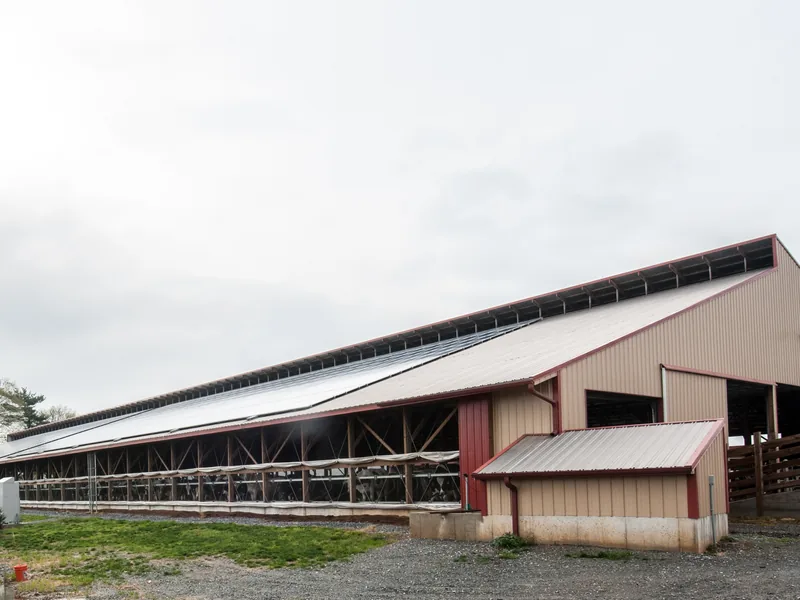 Dairy farm solar
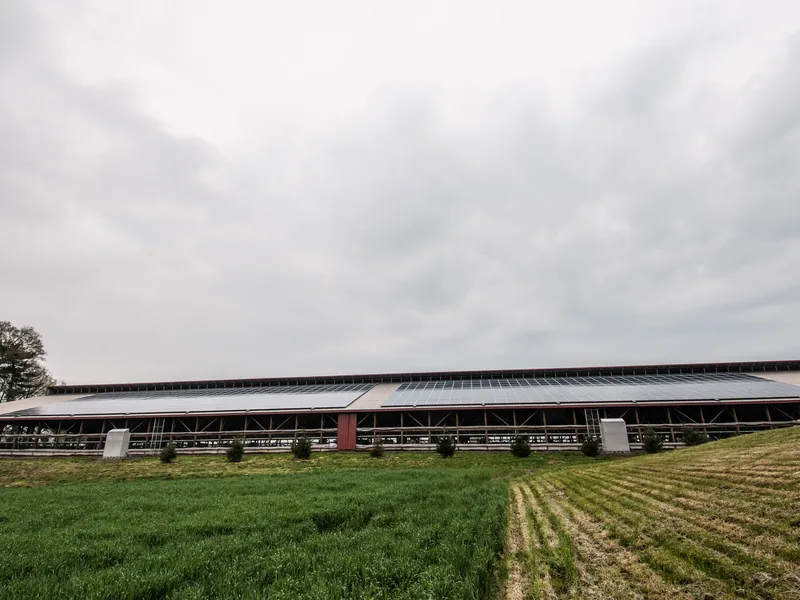 Beef and drystock sheds
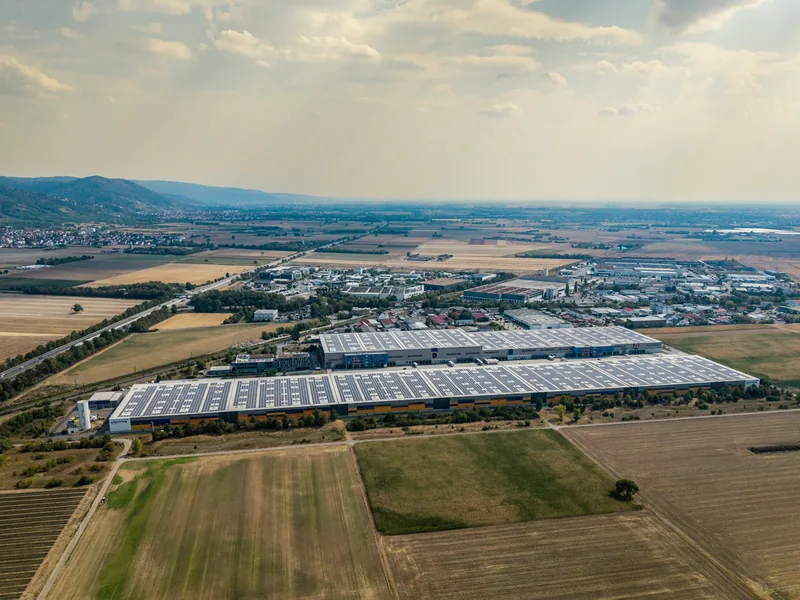 Poultry and pig units
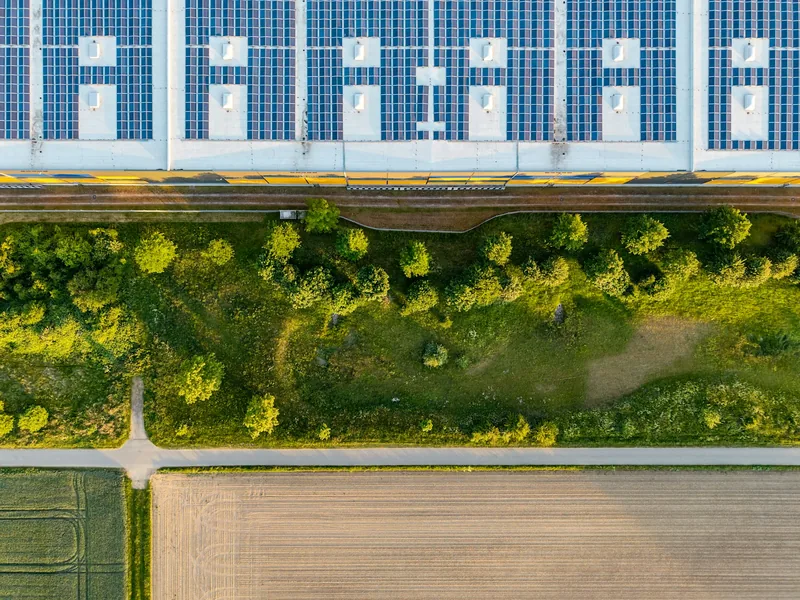 Tillage and grain stores
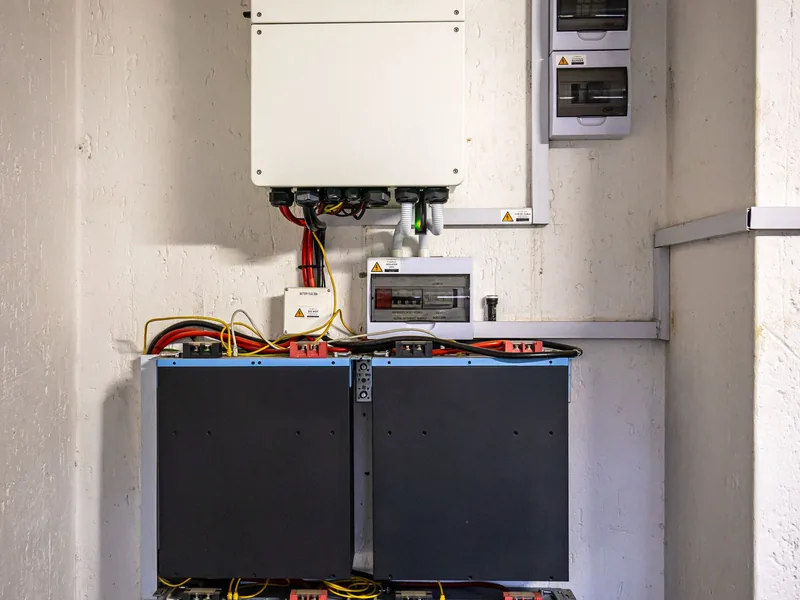 Farm battery storage
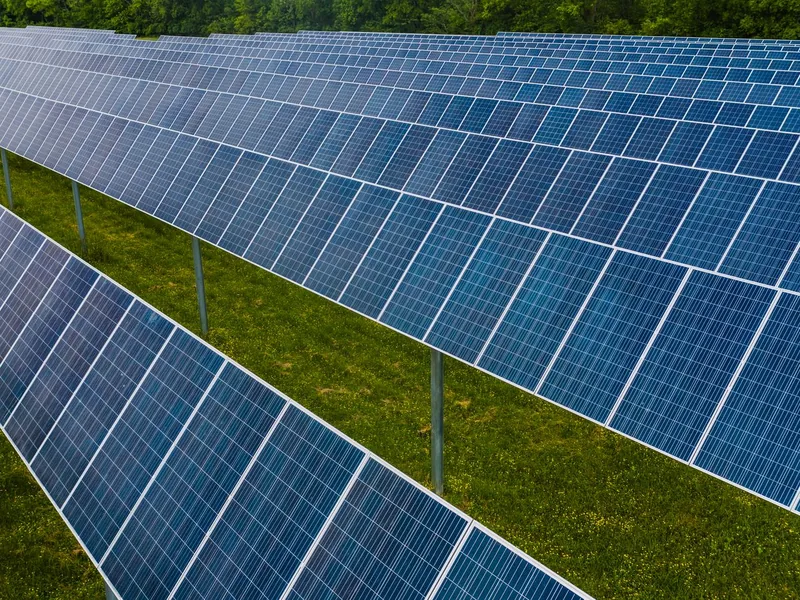 Ground-mounted farm solar
Price my farm solar
Four quick taps show your full ex-VAT cost and net cost after the 60% TAMS 3 grant before we ask for a phone number.
Dairy farm solar PV, 30 kWp array, with TAMS 3 60% grant: €11,200 to €15,600 net after 60% TAMS (full €28,000 to €39,000 ex-VAT).
How the farm solar figure is worked out
Guide ranges reflect typical Irish ex-VAT supply-and-fit agricultural PV rates (€1,000 to €1,400/kWp on sound steel shed roofs; €1,300 to €1,850/kWp ground-mounted) for panels, mounting rails, inverters, DC/AC cabling and DAFM S.198 commissioning. Net figures deduct the 60% TAMS 3 SCIS grant (paid on the lowest of actual ex-VAT invoice, proposed cost or DAFM reference cost up to €90,000). Optional battery storage (grant-aided up to 50% of solar kWp), ESB NC7 fee (€1,041.81 incl. VAT), purlin strengthening or asbestos roof replacement are priced after an on-farm survey. farmsolarpanels.ie is not DAFM, SEAI or a government body and does not award grants.
Three steps from shed roof to grid export
- Price your kWp on screenPick your farm type, rough array size and TAMS 3 status to see full and net costs before giving a number.
- One local installer surveys the yardA single installer covering your county checks 12 months of MPRN bills, shed purlins and ESB supply for your DAFM solar survey.
- Grant approved, fitted and exportingOnce DAFM issues written approval and ESB clears NC6 or NC7, your array is mounted to S.198 and registered for CEG export.
A phone-call ballpark, or a TAMS-ready yard quote
A rushed panel pitch
- Array sized off a guess without matching farm MPRN demand
- Roof purlins, asbestos sheets or ESB NC7 fees missed until day one
- Five sales reps phoning you from a shared lead directory
A TAMS-ready yard quote
- Full ex-VAT price and 60% grant net shown before you enter a phone
- Roof structure, three-phase supply and S.198 compliance checked on site
- One local commercial solar installer puts every line in writing
Four concerns farmers raise before a survey
- Will I be hounded with calls?
- No. Your outline goes to a single farm solar installer in your county, and nobody else. No broker list and no repeat cold calls.
- Do I lose the 60% TAMS grant if I order early?
- Yes. DAFM rules forbid ordering panels, paying a binding deposit or starting work before formal written approval lands on agfood.ie.
- Will my shed roof and purlins take solar panels?
- Modern steel Z-purlin roofs usually carry the 15 to 20 kg/m² panel load cleanly. Older timber purlins need an engineer check, and pre-2000 asbestos sheets must be replaced first.
- Are you DAFM or SEAI?
- No. farmsolarpanels.ie is not DAFM, SEAI or a government body and does not award grants. We explain the scheme figures and connect you with one local installer.
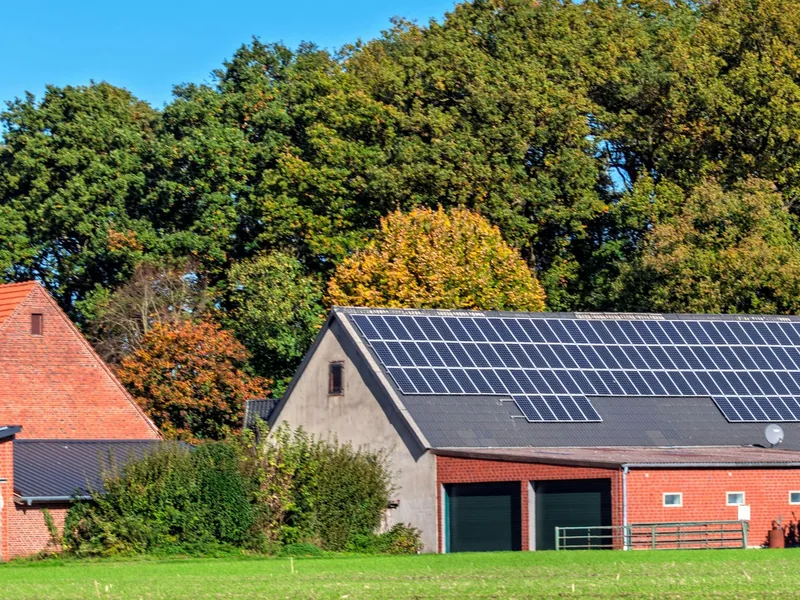
Check your shed roof price before anyone rings
Select your enterprise, kWp band and TAMS 3 status in four taps. When you want a written farm survey quote, a single farm solar installer in your county contacts you.
Farm solar costs by kWp, before and after TAMS 3
Supply-and-fit ex-VAT ranges on sound corrugated steel roofs across Ireland.
10 kWp shed
- Full fitted ex-VAT
- €10,000–€13,500
- Net after 60% TAMS 3
- €4,000–€5,400
- Typical annual yield
- 8,500–9,500 kWh
- Max grant-aided battery
- 5 kWh
- Usual ESB grid route
- NC6 (free)
20 kWp shed
- Full fitted ex-VAT
- €20,000–€26,000
- Net after 60% TAMS 3
- €8,000–€10,400
- Typical annual yield
- 17,000–19,000 kWh
- Max grant-aided battery
- 10 kWh
- Usual ESB grid route
- NC7 (€1,041.81)
30 kWp dairy
- Full fitted ex-VAT
- €28,000–€39,000
- Net after 60% TAMS 3
- €11,200–€15,600
- Typical annual yield
- 25,500–28,500 kWh
- Max grant-aided battery
- 15 kWh
- Usual ESB grid route
- NC7 (€1,041.81)
50 kWp commercial
- Full fitted ex-VAT
- €48,000–€64,000
- Net after 60% TAMS 3
- €19,200–€25,600
- Typical annual yield
- 42,500–47,500 kWh
- Max grant-aided battery
- 25 kWh
- Usual ESB grid route
- NC7 (€1,041.81)
Every extra line item, including battery banks, ground frames, DAFM reference cost formulas and ESB NC7 fees, sits on farm solar cost by kWp.
Matching array size to your farm electricity bill
DAFM sizes grant-aided arrays against on-farm demand, excluding the private dwelling.
Under Teagasc benchmarks, a 100-cow dairy herd uses roughly 25,000 to 35,000 kWh per year across milk cooling, water heating and vacuum pumps. Read dairy farm solar, poultry and pig units or the TAMS 3 solar survey guide.
Five statutory rules that govern Irish farm PV
Grant caps, grid thresholds, VAT recovery and rooftop planning limits in one place.
- Ring-fenced €90,000 TAMS 3 ceiling. The Solar Capital Investment Scheme pays 60% up to €90,000 (€54,000 max grant) on systems up to 62 kWp, separate from your general TAMS housing ceiling.
- Battery capped at 50% of solar kWp. Rechargeable batteries qualify for 60% grant aid only when fitted alongside solar PV, up to half the panel kWp rating.
- ESB NC6 versus NC7 inverter caps. NC6 is free up to 6 kVA single-phase or 11 kVA three-phase. Larger 3-phase farm inverters up to 50 kVA require an NC7 Connection Offer (€1,041.81 incl. VAT).
- Farm sheds are not 0% VAT. Revenue reserves 0% VAT for private dwellings. Farm building PV is reclaimed via VAT 3 returns or Form VAT 58 (SEAI Triple E listed kit), with 100% Year 1 Accelerated Capital Allowances on the net ex-VAT spend.
- Full roof exempt outside airport zones. Under S.I. No. 493 of 2022, agricultural rooftop solar is unlimited outside Ireland's 43 Solar Safeguarding Zones and capped at 300 m² inside them.
Dive deeper into TAMS 3 60% solar grant rules, ACA and Form VAT 58 and planning and SSZ zones.
Installers covering all 26 counties
Local crews know county council SSZ maps, rural ESB transformers and farm shed frames.
From spring-calving dairy yards in Cork, Tipperary, Limerick and Kerry to grain stores across Wexford, Kilkenny and Meath and drystock yards in Mayo, Galway and Donegal, choosing your county routes your job outline to an installer already working nearby. See counties covered and typical installation timelines.
Five lines every farm solar quote must confirm
Check these before signing off on a TAMS 3 agfood.ie submission.
- Exact kWp panel count and inverter kVA. Confirm whether the inverter stays within NC6 (11 kVA 3-phase) or requires an NC7 application.
- DAFM S.198 and SEAI Triple E listing. Mandatory for drawing down TAMS 3, claiming 100% Year 1 ACA and recovering Form VAT 58.
- Shed roof rail fixings and purlin check. Written confirmation of steel purlin condition and wind-uplift fixings, with zero drilling into fibre-cement asbestos.
- Ex-VAT invoice split and reference cost match. Line items matching DAFM solar and battery reference formulas so you do not leave grant money behind.
- Smart meter and ESB MEC sign-off. Confirm who submits NC6 or NC7 paperwork so your supplier can activate Clean Export Guarantee payments.
See all ten verification points on comparing farm solar quotes.
Common farm solar questions answered
How much do farm solar panels cost in Ireland after the 60% TAMS grant?
Typical ex-VAT shed-roof systems cost €10,000 to €13,500 for 10 kWp (€4,000 to €5,400 net), €20,000 to €26,000 for 20 kWp (€8,000 to €10,400 net), €28,000 to €39,000 for 30 kWp (€11,200 to €15,600 net) and €48,000 to €64,000 for 50 kWp (€19,200 to €25,600 net). Full cost breakdown.
What is the maximum TAMS 3 solar grant in Ireland?
The Solar Capital Investment Scheme pays 60% on eligible costs up to a ring-fenced €90,000 ceiling per holding, giving a maximum grant of €54,000 for arrays up to 62 kWp. This ceiling is separate from your general TAMS 3 allowance. TAMS 3 grant rules.
Can I get a TAMS 3 grant for a solar battery on a farm?
Yes, provided the battery is installed together with solar PV panels. Grant-aided battery capacity is capped at 50% of the installed solar kWp, so a 30 kWp array qualifies for up to 15 kWh of grant-aided storage. Farm battery storage.
What is the difference between ESB NC6 and NC7 for farm solar?
NC6 is a free inform-and-fit notification for inverters up to 6 kVA single-phase or 11 kVA three-phase. NC7 is a formal mini-generation application for 3-phase inverters over 11 kVA up to 50 kVA, carrying a €1,041.81 incl. VAT fee and requiring a written Connection Offer before fitting. ESB NC6 vs NC7.
Do farm solar panels qualify for 0% VAT?
No. Revenue applies 0% VAT only to private dwellings such as a farmhouse. Solar panels on agricultural sheds incur standard VAT, which VAT-registered farmers recover on VAT 3 returns and unregistered flat-rate farmers reclaim via Form VAT 58 if the equipment is SEAI Triple E listed. ACA and VAT 58 guide.
How fast does farm solar pay back on an Irish dairy farm?
With the 60% TAMS 3 grant, most Irish dairy farms recover their net investment in 3 to 4 years. Writing off the net ex-VAT cost in Year 1 under Accelerated Capital Allowances cuts effective payback closer to 2 to 3 years. Payback and CEG guide.
Do I need planning permission for solar panels on a farm shed?
Outside Ireland's 43 Solar Safeguarding Zones around airports and helipads, rooftop solar can cover an entire agricultural shed roof without planning permission under S.I. No. 493 of 2022. Inside an SSZ, exempt roof area is capped at 300 m² with written council notice within 4 weeks. Planning and SSZ rules.
Can solar panels be fitted onto an old asbestos fibre-cement shed roof?
No. Pre-2000 asbestos fibre-cement sheets are fragile and drilling into them releases hazardous fibres in breach of HSA regulations. Replace the sheeting and check purlins first, or use a ground-mounted array. Roof purlins and asbestos checks.