
Beef, suckler and drystock shed solar panels
Over half of Ireland's 135,037 farms are specialist beef or drystock holdings with modest daytime loads. A 10 kWp slatted-shed array costs €10,000 to €13,500 ex-VAT (€4,000 to €5,400 net after 60% TAMS 3), clears ESB NC6 for free on most supplies and earns CEG export credits all summer.
Right-sizing 10 kWp to 20 kWp arrays on slatted and drystock sheds without overspending on an unnecessary ESB NC7 upgrade.
Free, no obligation. One local installer prices it, not five.
- €4,000–€5,40010 kWp shed array net after TAMS
- €0 ESB feeunder NC6 (up to 6 kVA 1-ph / 11 kVA 3-ph)
- 4–6 yrstypical beef farm payback with TAMS
- 56%of Irish farms are specialist beef, CSO
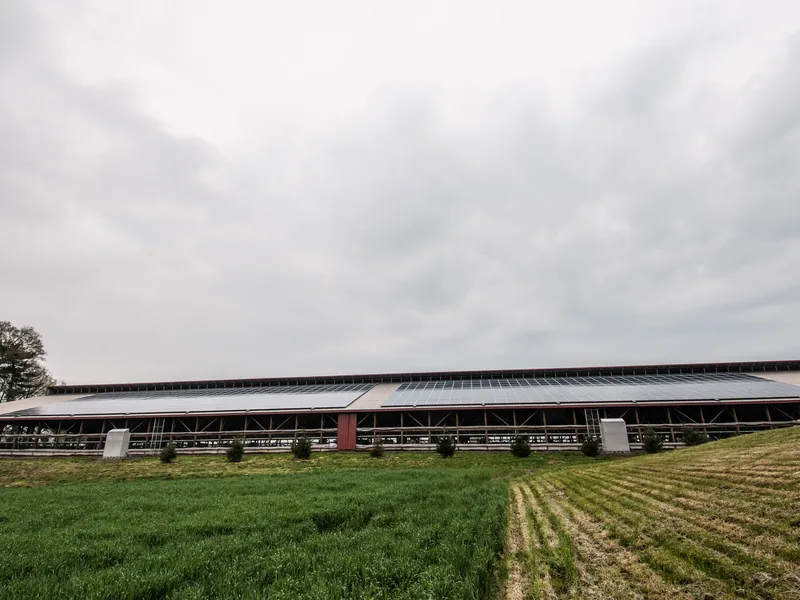
Sizing solar sensibly on beef and suckler yards
Unlike a dairy parlour that draws heavy power every morning and evening from March to November, a drystock or suckler farm uses most of its electricity during winter housing: shed LED lighting, automatic scrapers, meal augers, heated calf feeders, frost-protected water troughs, workshop welders and electric fencing energisers.
That seasonal profile makes over-sizing a common mistake. Under DAFM TAMS 3 rules, your eligible kWp is tied to documented farm demand, and staying within an ESB NC6 inverter limit (6 kVA single-phase or 11 kVA three-phase) avoids the €1,041.81 NC7 fee and months of grid study wait times. When cattle are out on grass from April to September, clean surplus generation exports through a smart meter at 14c to 19.5c per kWh under the Clean Export Guarantee, offsetting winter bills.
Small suckler or sheep yard
- Typical solar size
- 6–10 kWp roof array
- Full / net after TAMS 3
- €10,000–€13,500 gross / €4,000–€5,400 net
- ESB grid route
- ESB NC6 (free, 20 working days)
Medium beef finishing unit
- Typical solar size
- 12–16 kWp roof array
- Full / net after TAMS 3
- €13,500–€21,000 gross / €5,400–€8,400 net
- ESB grid route
- NC6 3-phase (11 kVA) or NC7
Large winter finishing & workshop
- Typical solar size
- 20 kWp + 10 kWh battery
- Full / net after TAMS 3
- €20,000–€26,000 gross / €8,000–€10,400 net (PV)
- ESB grid route
- ESB NC7 (€1,041.81 incl. VAT)
Price my farm solar
Four quick taps show your full ex-VAT cost and net cost after the 60% TAMS 3 grant before we ask for a phone number.
Beef or suckler shed solar PV, 10 kWp array, with TAMS 3 60% grant: €4,000 to €5,400 net after 60% TAMS (full €10,000 to €13,500 ex-VAT).
How the farm solar figure is worked out
Guide ranges reflect typical Irish ex-VAT supply-and-fit agricultural PV rates (€1,000 to €1,400/kWp on sound steel shed roofs; €1,300 to €1,850/kWp ground-mounted) for panels, mounting rails, inverters, DC/AC cabling and DAFM S.198 commissioning. Net figures deduct the 60% TAMS 3 SCIS grant (paid on the lowest of actual ex-VAT invoice, proposed cost or DAFM reference cost up to €90,000). Optional battery storage (grant-aided up to 50% of solar kWp), ESB NC7 fee (€1,041.81 incl. VAT), purlin strengthening or asbestos roof replacement are priced after an on-farm survey. farmsolarpanels.ie is not DAFM, SEAI or a government body and does not award grants.
Slatted shed roof layout and corrosion protection
Open-ridge ventilated slatted houses produce warm, ammonia-rich rising air inside the roof space. That affects electrical hardware far more than it affects the solar modules outside on the steel cladding.
- Mount inverters outside the animal airspace: place inverters, DC isolators and batteries in a clean dry switchroom, store or sheltered exterior enclosure away from livestock gases and power-washer spray.
- Check shed purlin age and condensation: older non-drip steel roofs with timber purlins often show hidden damp decay near ridge vents; inspect purlins before quoting rail clips.
- Keep panels clear of ridge ventilation slots: leave generous airflow clearance along open or Yorkshire-board ridges so winter pneumonia ventilation is never choked.
- Protect DC cables in UV-rated steel conduit: rodents and birds nest in eaves; armoured or steel-conduit runs prevent expensive insulation faults.
Before mounting onto older drystock roofs, read shed roof purlins and asbestos checks.
Related farm solar guides
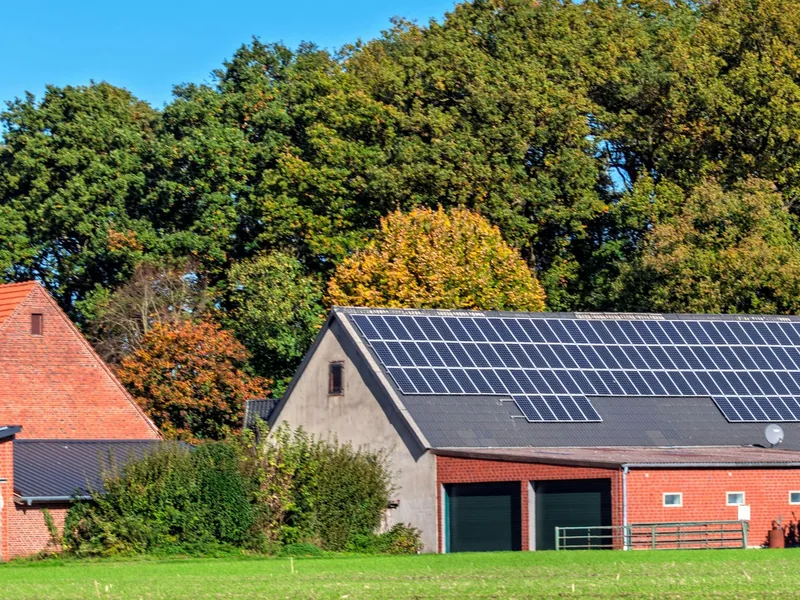 Farm solar cost by kWpFull 10–50 kWp ex-VAT prices before and after the 60% TAMS 3 grant.
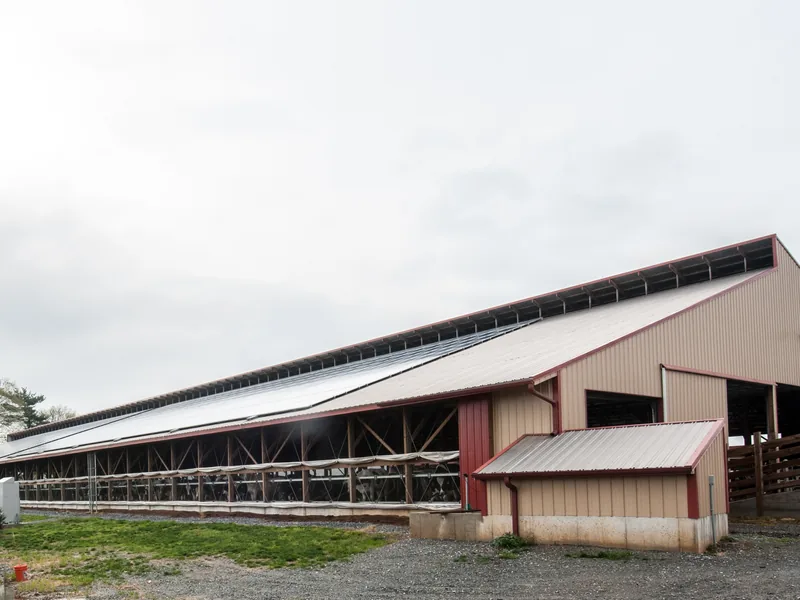 TAMS 3 60% solar grant€90,000 ring-fenced ceiling, DAFM reference costs and 62 kWp cap.
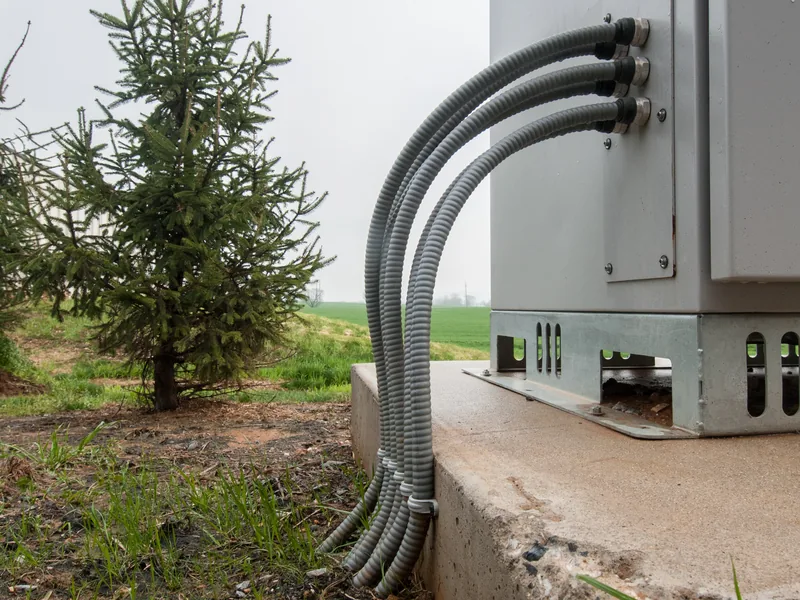 ESB NC6 vs NC7 grid rules6/11 kVA inform-and-fit vs 50 kVA Connection Offers and €1,041.81 fee.
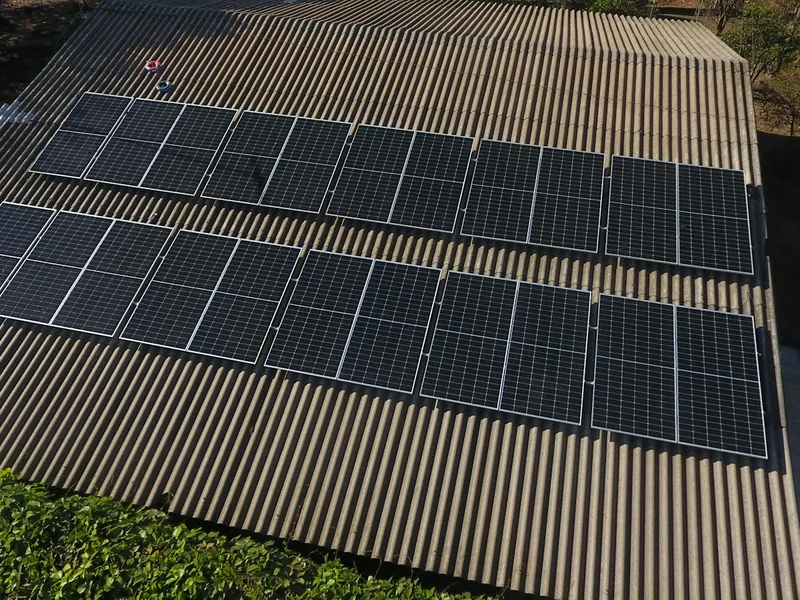 Shed purlins & asbestosPurlin load checks, engineer sign-off and HSA fibre-cement bans.
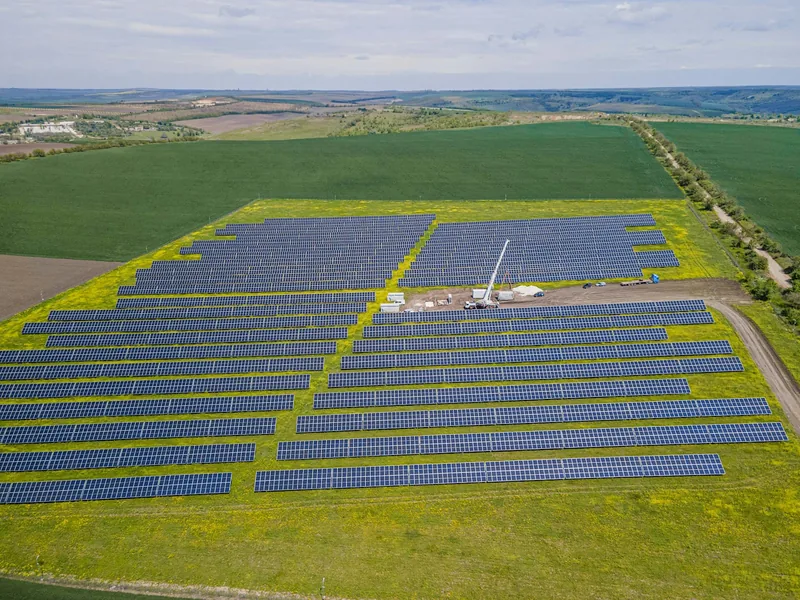 Payback & CEG exportSelf-consumption, 14c–19.5c CEG export rates and 3–4 year ROI.
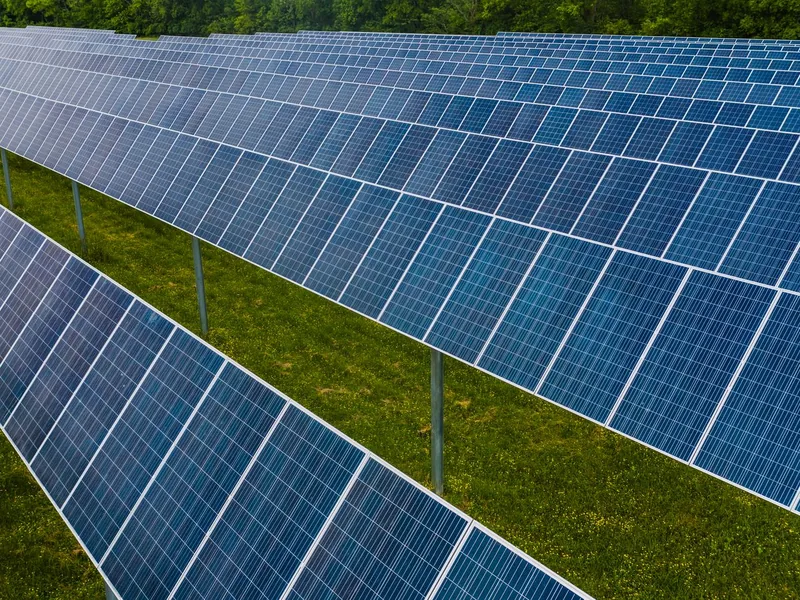 Ground-mounted farm solarDriven-pile arrays for shaded yards or older asbestos sheds.
Beef and drystock shed solar questions
Can a beef farm on single-phase ESB power install a 10 kWp solar system?
Yes. On a single-phase farm supply you can stay on the free NC6 route with a 6 kVA hybrid inverter paired with 7 to 8 kWp of panels, or apply under NC7 single-phase (up to 17 kVA) if your annual farm usage justifies a full 10 kWp inverter.
Is battery storage worth adding on a drystock farm?
Only if you run evening yard lighting, meal feeding, calf milk machines or workshop equipment after dusk. On a very low-load outfarm, exporting surplus summer power via CEG often yields a cleaner return than buying a large battery.
Does a sheep or suckler farm qualify for the full 60% TAMS 3 solar grant?
Yes, provided you hold an active DAFM flock or herd number, declare at least 5 hectares under BISS (or meet production thresholds), complete Farm Safety training and justify the kWp size via a Solar PV Survey.
Can I install solar on an outfarm shed that has its own ESB meter?
Yes, as long as the MPRN serves genuine agricultural buildings with verifiable farm electricity consumption and meets DAFM TAMS 3 sizing rules.
All farm solar pages and guides
Farm PV systems
Grants, grid & tax
Price a 10 or 20 kWp slatted-shed array
Tap your rough kWp size and TAMS status so a single farm solar installer in your county can check your roof and NC6 headroom.