
ESB Networks NC6 vs NC7 for farm solar
ESB Networks categorises farm solar by AC inverter capacity (kVA), not roof panel capacity (kWp). Inverters up to 6 kVA single-phase or 11 kVA three-phase use free NC6 inform-and-fit; larger three-phase farm systems up to 50 kVA require an NC7 application (€1,041.81 incl. VAT) and formal Connection Offer before fitting.
How inverter kVA thresholds decide whether your farm clears free 20-day NC6 notice or needs a €1,041.81 NC7 Connection Offer.
Free, no obligation. One local installer prices it, not five.
- 6 / 11 kVANC6 limits (1-phase / 3-phase, free)
- 17 / 50 kVANC7 mini-generation caps
- €1,041.81ESB NC7 fee incl. 23% VAT
- 20 daysNC6 notice window before install
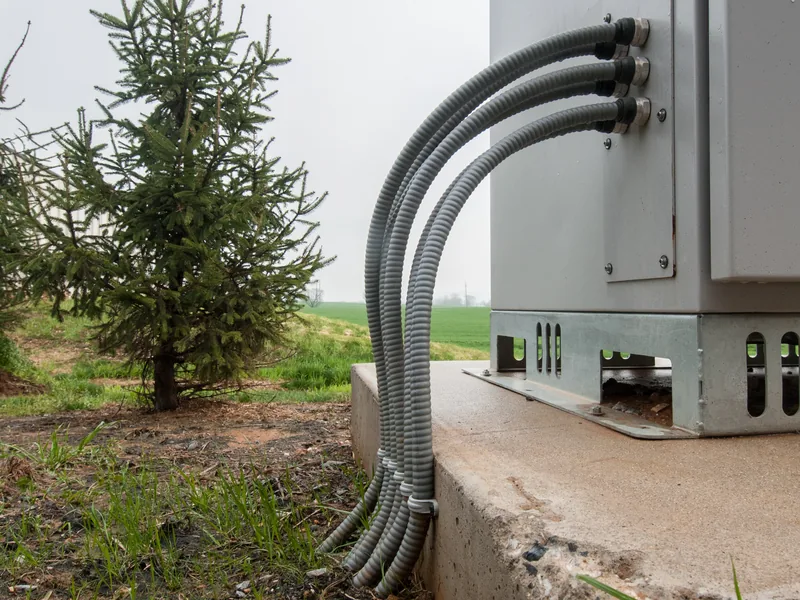
Why kWp on the roof differs from kVA at the ESB meter
One technical detail saves thousands of euro on medium Irish farms: ESB Networks regulates the AC export rating of your inverter (in kVA), not the DC rating of the panels on your shed (in kWp). Because Irish skies rarely deliver 100% peak laboratory sun for long, pairing 13 kWp to 15 kWp of roof panels with an 11 kVA three-phase inverter keeps a smaller farm inside the free NC6 route while generating far stronger winter and cloudy-day output than an 11 kWp panel array.
For 20 kWp to 62 kWp dairy, poultry, pig and grain arrays, stepping up to an NC7 mini-generation inverter (15 kVA to 50 kVA three-phase) is standard practice. Never energise an NC7 system early: ESB issues an invoice for €1,041.81 incl. VAT after completeness review, conducts a local network transformer study, and sends a formal Connection Offer stating whether any line or transformer works are required.
ESB NC6 (Micro-gen)
- Single-phase limit
- Up to 6 kVA (25 A)
- Three-phase limit
- Up to 11 kVA (16 A/phase)
- Application fee
- Free (€0)
- Approval workflow
- Inform and fit (20 working days)
- Typical Irish farm
- Small beef/sheep yard or 10–15 kWp
ESB NC7 (Mini-gen)
- Single-phase limit
- Over 6 up to 17 kVA
- Three-phase limit
- Over 11 up to 50 kVA
- Application fee
- €1,041.81 incl. 23% VAT
- Approval workflow
- Full Connection Offer required first
- Typical Irish farm
- 20–62 kWp dairy, poultry, grain
ESB NC8 (Small-scale)
- Single-phase limit
- Three-phase commercial
- Three-phase limit
- Over 50 up to 200 kVA
- Application fee
- Higher engineering fee + study
- Approval workflow
- Formal study + G10 relay
- Typical Irish farm
- Large agribusiness >62 kWp
Price my farm solar
Four quick taps show your full ex-VAT cost and net cost after the 60% TAMS 3 grant before we ask for a phone number.
Dairy farm solar PV, 30 kWp array, with TAMS 3 60% grant: €11,200 to €15,600 net after 60% TAMS (full €28,000 to €39,000 ex-VAT).
How the farm solar figure is worked out
Guide ranges reflect typical Irish ex-VAT supply-and-fit agricultural PV rates (€1,000 to €1,400/kWp on sound steel shed roofs; €1,300 to €1,850/kWp ground-mounted) for panels, mounting rails, inverters, DC/AC cabling and DAFM S.198 commissioning. Net figures deduct the 60% TAMS 3 SCIS grant (paid on the lowest of actual ex-VAT invoice, proposed cost or DAFM reference cost up to €90,000). Optional battery storage (grant-aided up to 50% of solar kWp), ESB NC7 fee (€1,041.81 incl. VAT), purlin strengthening or asbestos roof replacement are priced after an on-farm survey. farmsolarpanels.ie is not DAFM, SEAI or a government body and does not award grants.
Activating Clean Export Guarantee (CEG) payments after connection
Installing panels does not automatically trigger export credits on your farm electricity bill. Three steps must close cleanly:
- IS EN 50549-1 type-test certificate submitted. Your installer submits the inverter certificate alongside NC6 or NC7 schematics.
- ESB updates your site Maximum Export Capacity (MEC). Once commissioning docs clear, ESB logs your live MEC on your farm MPRN.
- Smart meter recording half-hourly export. If the yard still runs an older spinning-disc or non-export meter, ESB schedules a smart meter swap so your supplier can credit Clean Export Guarantee units (14c to 19.5c/kWh).
Check three-phase shed systems and CEG payback numbers next.
Related farm solar guides
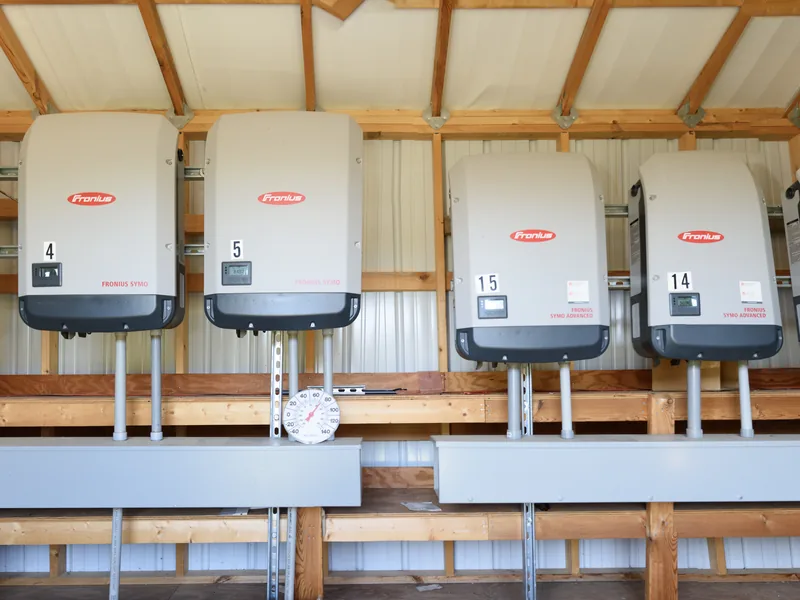 Three-phase shed systems11 kVA NC6 vs 50 kVA NC7 inverters and balanced parlour loads.
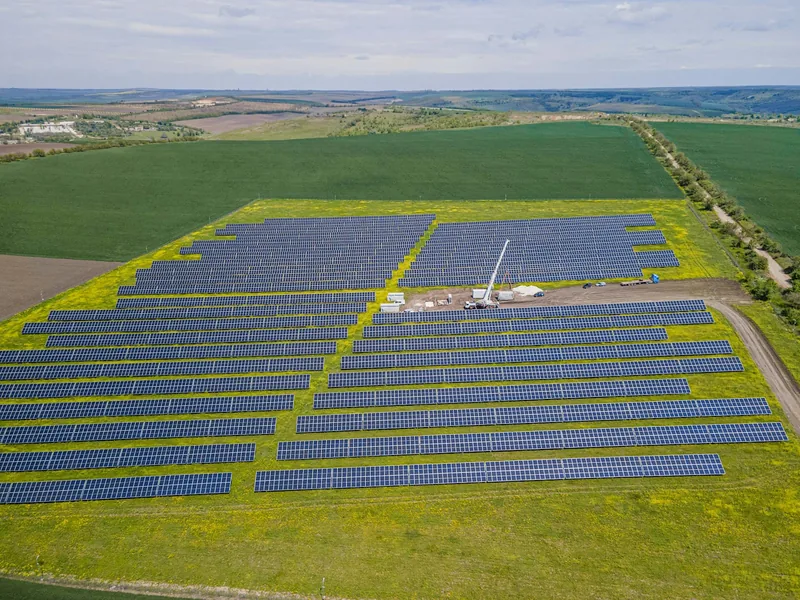 Payback & CEG exportSelf-consumption, 14c–19.5c CEG export rates and 3–4 year ROI.
 Installation timelineWeeks from survey and TAMS tranche through ESB offer to commissioning.
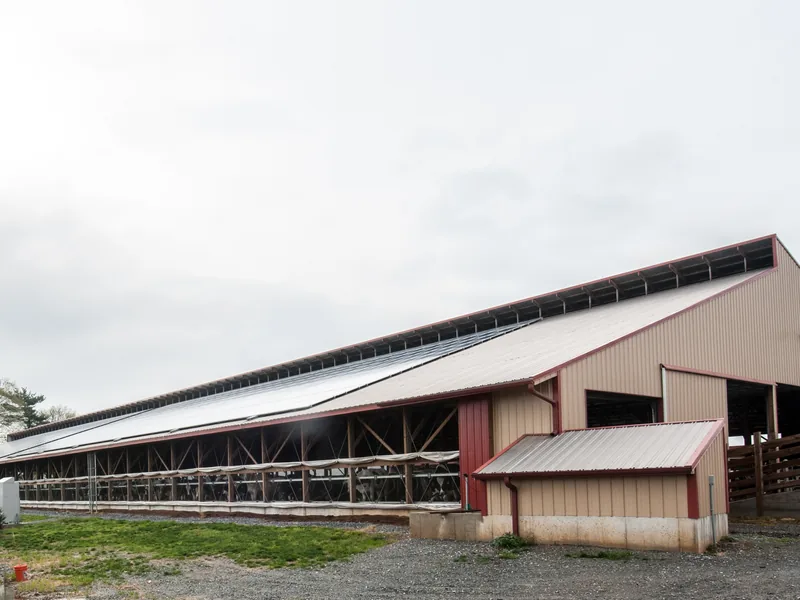 Dairy farm solarMilking parlour cooling, water heating and 20–50 kWp sizing.TAMS 3 survey & S.198Mandatory pre-application solar survey, S.198 spec and agfood steps.
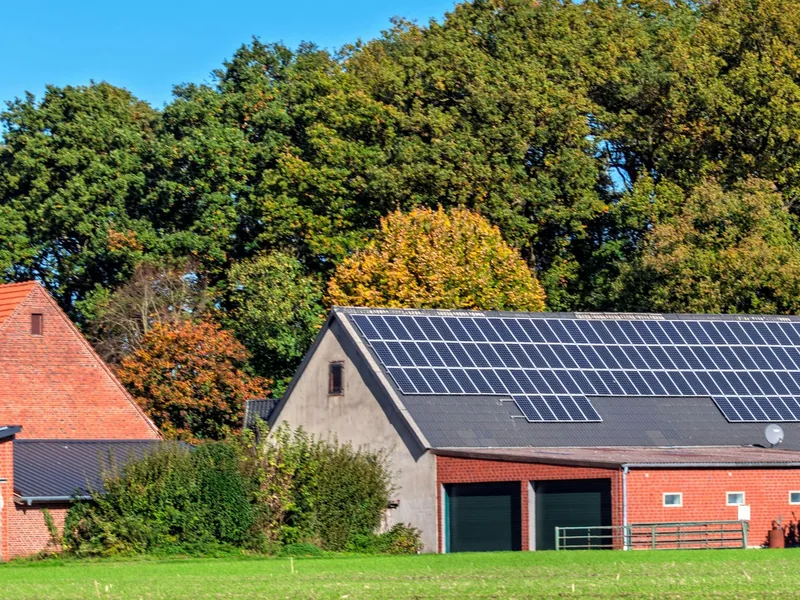 Farm solar cost by kWpFull 10–50 kWp ex-VAT prices before and after the 60% TAMS 3 grant.
ESB Networks farm grid questions
Can ESB Networks refuse an NC7 application on a rural single-line transformer?
ESB rarely refuses outright, but on a heavily loaded rural pole transformer they may cap Maximum Export Capacity (MEC) below your inverter rating or quote network upgrade costs in the Connection Offer. Adding an export-limiting CT clamp lets you self-consume 100% of solar on farm while capping grid export.
Who pays the €1,041.81 ESB NC7 application fee?
The farmer pays ESB Networks directly once ESB validates the application and issues its VAT invoice. Some turnkey quotes include an allowance for it; check your written quote.
Do I wait for TAMS approval before applying for ESB NC7?
Check with your agricultural advisor, as ESB grid assessments do not purchase physical hardware, whereas buying panels or mounting rails before written TAMS approval forfeits the grant. Coordinating NC7 timing carefully prevents months of idle waiting.
What triggers an ESB NC8 application instead of NC7?
Any farm installation whose combined AC inverter rating exceeds 50 kVA three-phase moves into Small Scale Generation (NC8, up to 200 kVA), requiring a G10 protection relay and higher engineering costs.
All farm solar pages and guides
Farm PV systems
Grants, grid & tax
Check whether your farm needs NC6 or NC7
Run the four-tap planner and a single farm solar installer in your county will inspect your ESB meter, phases and MIC.