
Poultry and pig house solar panels in Ireland
A single 27,000-bird broiler house uses around 35,000 kWh of electricity per year and pig units average 27 to 28 kWh per pig. Installing 30 kWp to 62 kWp on long insulated shed roofs delivers 85% to 95% direct self-consumption and 2.5 to 3.5 year payback after the 60% TAMS 3 grant.
High continuous daytime electricity demand from tunnel ventilation, feed lines and lighting gives poultry and pig units the fastest solar payback in Irish agriculture.
Free, no obligation. One local installer prices it, not five.
- 35,000 kWhannual electricity per broiler house, Teagasc
- 27–28 kWhenergy per pig produced, Teagasc
- 2.5–3.5 yrstypical payback with 60% TAMS 3
- 62 kWpmaximum SCIS grant-aided array size
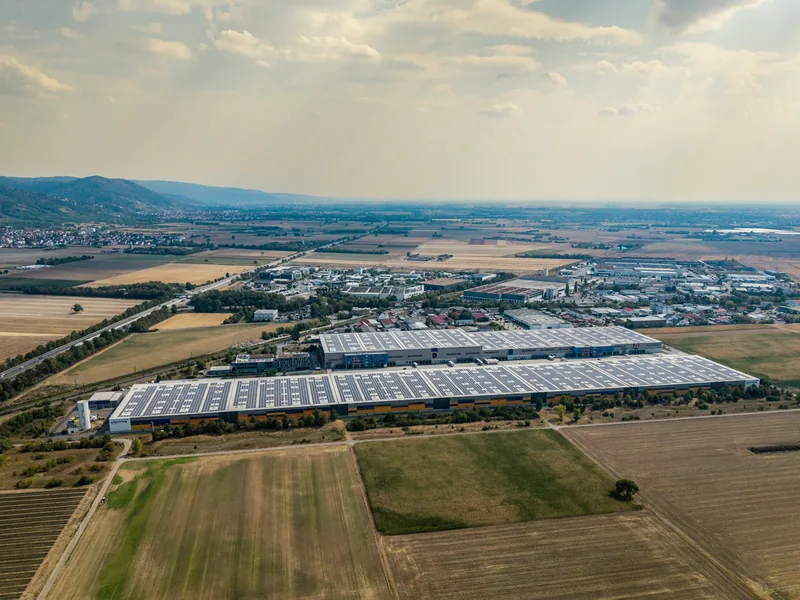
Why ventilation loads make poultry and pig sheds ideal for solar
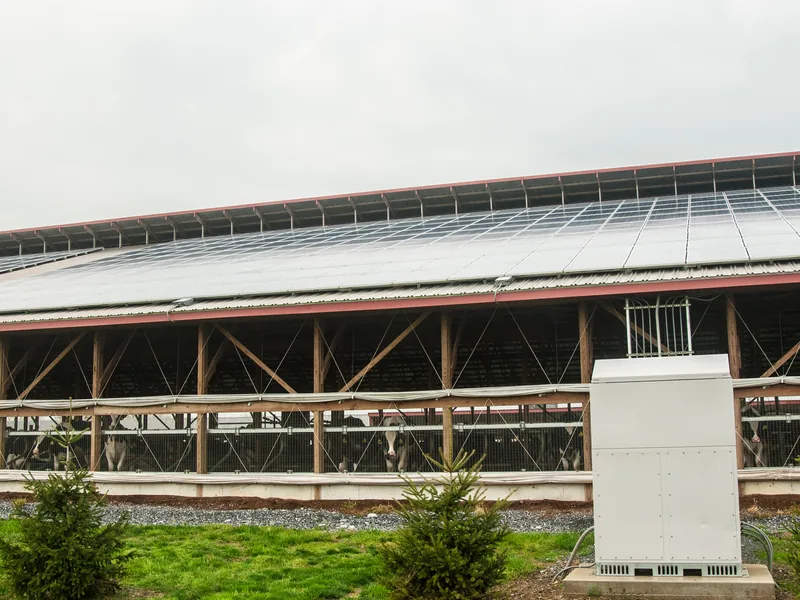
Intensive poultry houses and pig units have the exact inverse load curve of a drystock shed: when the sun shines hottest from May through September, tunnel and ridge extraction fans ramp to full speed to control house temperature and humidity. Peak solar production coincides hour-for-hour with peak cooling fan draw, feed auger motors, egg-packing conveyors and continuous shed lighting.
Because almost every daytime kilowatt-hour generated on the roof is consumed instantly inside the house below, poultry and pig operators rarely need expensive battery banks. Instead, directing your €90,000 ring-fenced TAMS 3 SCIS budget straight into maximum roof kWp (up to 62 kWp) and clean three-phase NC7 inverters drives down cost per unit generated to its lowest possible level.
Single broiler house (~27,000 birds)
- Electrical demand benchmark
- ~35,000 kWh electricity/yr (Teagasc)
- Typical PV array
- 30–35 kWp 3-phase
- Net cost after 60% TAMS 3
- €11,200–€15,600 (for 30 kWp)
Twin poultry houses or layer shed
- Electrical demand benchmark
- 65,000–90,000 kWh/yr
- Typical PV array
- 50–62 kWp 3-phase NC7
- Net cost after 60% TAMS 3
- €19,200–€25,600 (for 50 kWp)
Integrated pig unit
- Electrical demand benchmark
- 27–28 kWh per pig produced
- Typical PV array
- 40–62 kWp 3-phase NC7
- Net cost after 60% TAMS 3
- €16,000–€31,000 net (within €90k cap)
Commercial multi-house (>62 kWp)
- Electrical demand benchmark
- 120,000+ kWh/yr
- Typical PV array
- 80–150 kWp via SEAI NDMG
- Net cost after 60% TAMS 3
- Up to 45% SEAI grant (not stackable)
Price my farm solar
Four quick taps show your full ex-VAT cost and net cost after the 60% TAMS 3 grant before we ask for a phone number.
Poultry or pig unit solar PV, 50 kWp array, with TAMS 3 60% grant: €19,200 to €25,600 net after 60% TAMS (full €48,000 to €64,000 ex-VAT).
How the farm solar figure is worked out
Guide ranges reflect typical Irish ex-VAT supply-and-fit agricultural PV rates (€1,000 to €1,400/kWp on sound steel shed roofs; €1,300 to €1,850/kWp ground-mounted) for panels, mounting rails, inverters, DC/AC cabling and DAFM S.198 commissioning. Net figures deduct the 60% TAMS 3 SCIS grant (paid on the lowest of actual ex-VAT invoice, proposed cost or DAFM reference cost up to €90,000). Optional battery storage (grant-aided up to 50% of solar kWp), ESB NC7 fee (€1,041.81 incl. VAT), purlin strengthening or asbestos roof replacement are priced after an on-farm survey. farmsolarpanels.ie is not DAFM, SEAI or a government body and does not award grants.
Biosecurity, dust and insulated panel mounting rules
Modern broiler, layer and farrowing sheds are usually built with insulated PIR composite roof panels and tight biosecurity protocols. Both shape how the installation must be planned.
- Composite roof panel fixings: use approved mini-rail or purlin-penetrating structural hangers with EPDM weather seals rather than screwing only into thin outer steel skins.
- Biosecurity turnarounds: schedule scaffolding and crane lifts during empty-house washdown windows between batches so flocks are never stressed and site entry rules stay intact.
- Dust-sealed IP65/IP66 inverters: house three-phase inverters and switchgear inside a dedicated ventilated control room kept separate from dusty feed-mill rooms and washdown spray.
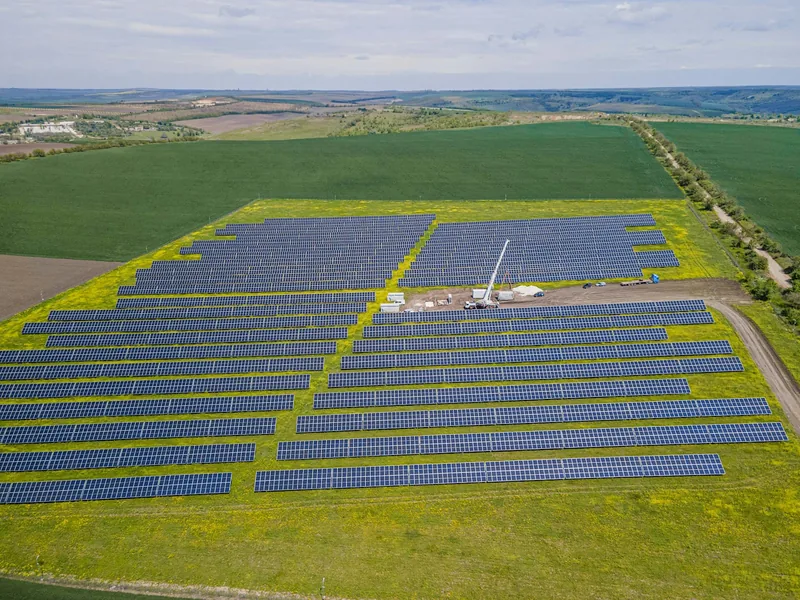
- TAMS 3 vs SEAI NDMG above 62 kWp: if your site burns over 100,000 kWh per year across several houses, compare a 62 kWp TAMS 3 SCIS array (60% grant) against a 100+ kWp SEAI Non-Domestic Microgen application (up to 45% grant).
Check ESB NC7 three-phase thresholds and 100% Year 1 ACA tax relief for commercial poultry and pig units.
Related farm solar guides
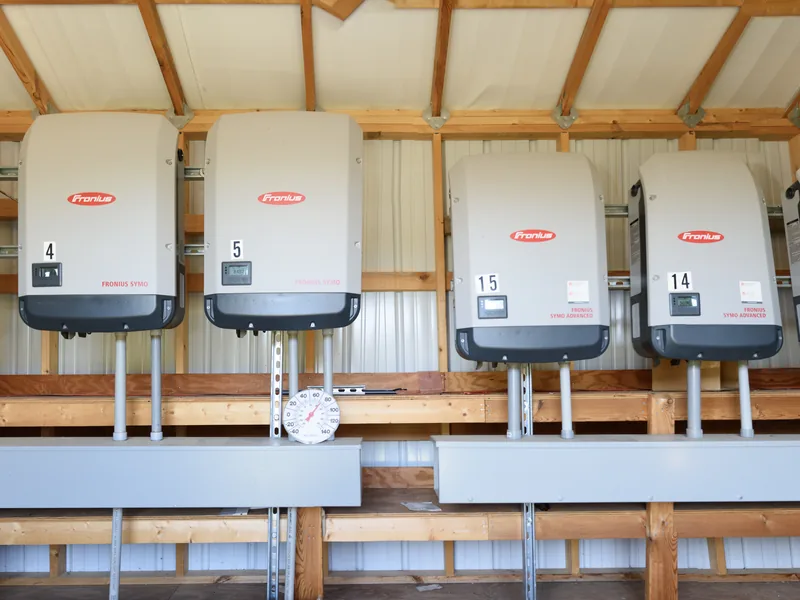 Three-phase shed systems11 kVA NC6 vs 50 kVA NC7 inverters and balanced parlour loads.
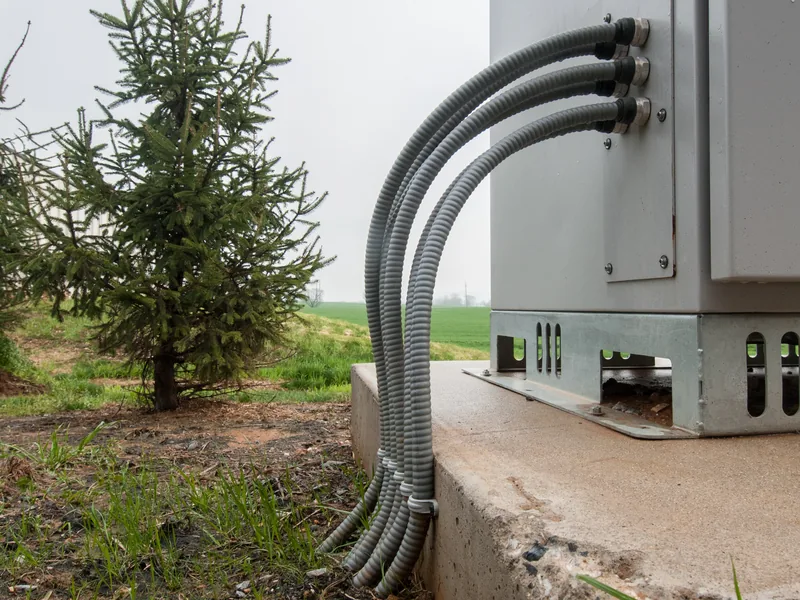 ESB NC6 vs NC7 grid rules6/11 kVA inform-and-fit vs 50 kVA Connection Offers and €1,041.81 fee.
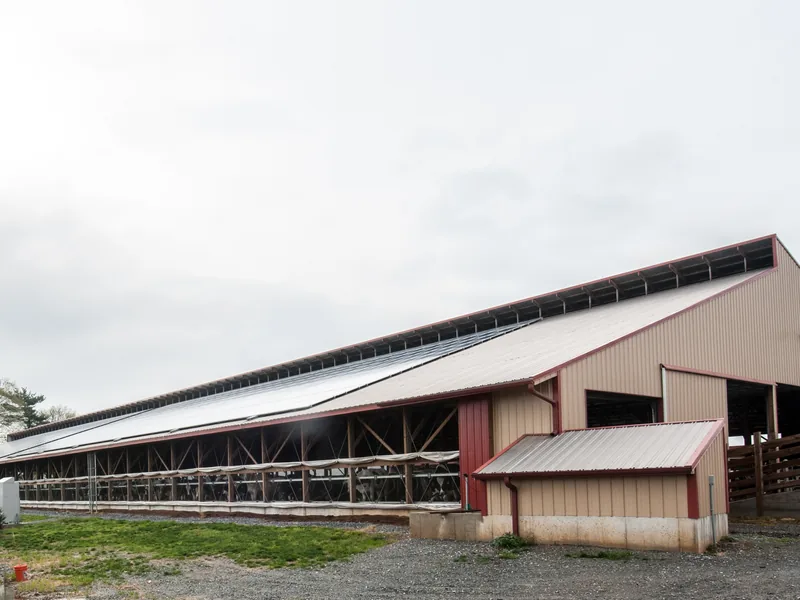 TAMS 3 60% solar grant€90,000 ring-fenced ceiling, DAFM reference costs and 62 kWp cap.
 ACA write-off & VAT 58100% Year 1 capital allowance, Triple E listing and VAT 58 claims.
 Payback & CEG exportSelf-consumption, 14c–19.5c CEG export rates and 3–4 year ROI.
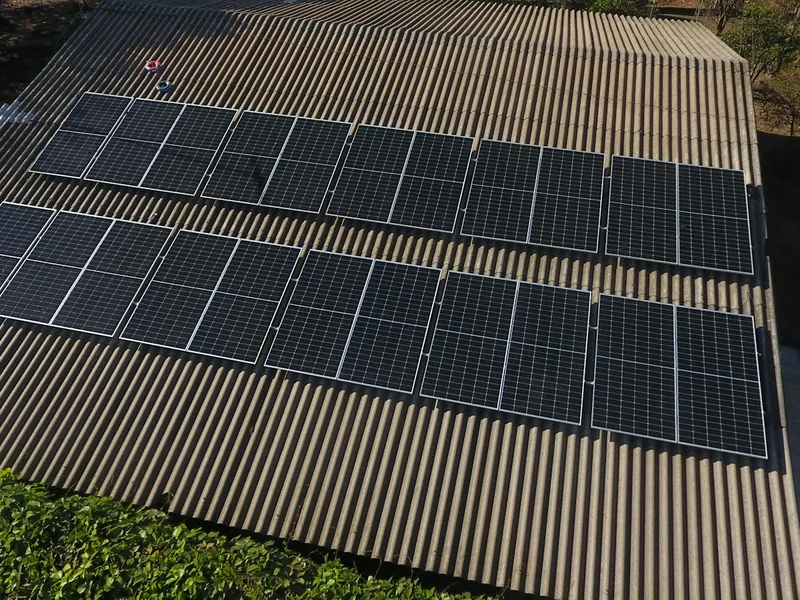 Shed purlins & asbestosPurlin load checks, engineer sign-off and HSA fibre-cement bans.
Poultry and pig unit solar questions
Do poultry and pig houses need solar batteries?
Rarely. Daytime ventilation fans, lighting, feeders and water pumps absorb 85% to 95% of rooftop solar output directly, so capital usually works harder in extra solar kWp than in battery storage.
What if my poultry or pig farm uses more electricity than a 62 kWp array produces?
TAMS 3 SCIS caps at 62 kWp and €90,000 eligible investment. Larger units can either fit a 62 kWp TAMS array on the primary meter or use the SEAI Non-Domestic Microgen Grant for systems up to 1,000 kWp (you cannot combine both grants on one installation).
Can solar panels offset LPG or kerosene heating in a broiler house?
Solar PV offsets electricity directly (fans, lighting, augers, controllers). Heat loads remain primarily thermal unless you switch auxiliary water or air systems to electric heat pumps sized for the site.
How long does an ESB NC7 connection take for a 50 kWp poultry unit?
Allow 8 to 16 weeks after paying the €1,041.81 incl. VAT NC7 assessment fee for ESB Networks to study the local rural transformer and issue a formal Connection Offer.
All farm solar pages and guides
Farm PV systems
Grants, grid & tax
Price a 30 to 50 kWp poultry or pig house array
Run the planner for gross and 60% TAMS net costs, then a single farm solar installer in your county sizes your three-phase shed roofs.