
Farm solar battery storage in Ireland
Under TAMS 3 SCIS, battery storage qualifies for the 60% grant only when installed alongside solar PV, capped at 50% of the array's kWp rating. A 10 kWh battery costs €4,000 to €6,000 ex-VAT (€1,600 to €2,400 net) and shifts midday sunshine into dawn and dusk milking.
How the 50%-of-kWp TAMS 3 rule works, what 10 kWh to 30 kWh commercial batteries cost net, and when storage beats exporting to the grid.
Free, no obligation. One local installer prices it, not five.
- 50% of kWpmaximum TAMS 3 grant-aided battery cap
- €703/kWh + €753DAFM TAMS 3 battery reference formula
- €2,400–€3,80015 kWh battery net after 60% grant
- 60% grantonly when fitted alongside solar PV
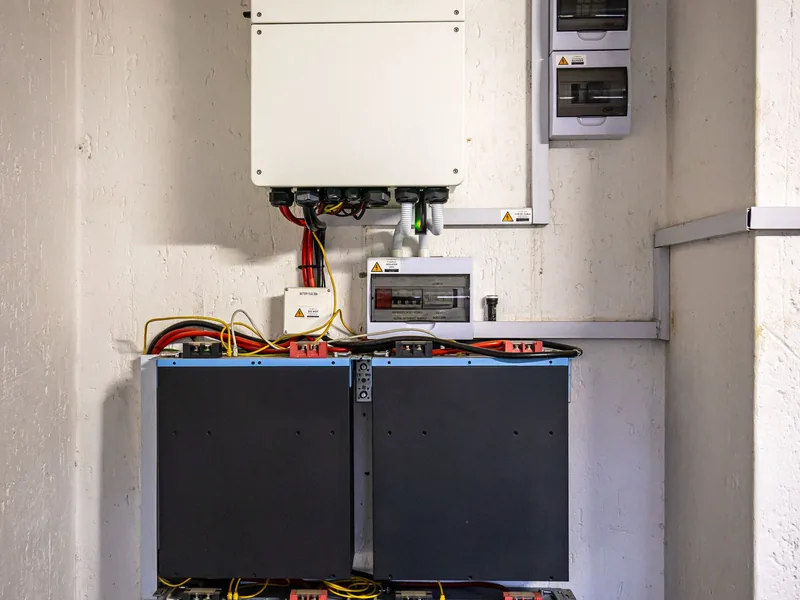
The TAMS 3 50% rule and DAFM battery reference costs
DAFM refuses standalone farm battery applications under TAMS 3 SCIS. Batteries qualify for the 60% grant strictly as part of a combined solar PV installation, and grant-aided storage capacity (in kWh) cannot exceed half the solar array capacity (in kWp). A 20 kWp array qualifies for up to 10 kWh of grant-aided battery; a 30 kWp array qualifies for up to 15 kWh; a 50 kWp array qualifies for up to 25 kWh. Any storage above that 50% threshold is funded 100% by the farmer.
DAFM sets the battery reference ceiling at €703 per kWh plus a €753 fixed cost (so a 10 kWh battery carries a €7,783 reference ceiling and a 15 kWh battery carries an €11,298 ceiling). Most Irish commercial LFP stacks price inside those ceilings, letting you claim the full 60% of actual ex-VAT invoice cost.
10 kWh LFP bank
- Min PV array for TAMS
- 20 kWp solar PV
- Gross fitted ex-VAT
- €4,000–€6,000
- Net after 60% TAMS 3
- €1,600–€2,400
15 kWh LFP bank
- Min PV array for TAMS
- 30 kWp solar PV
- Gross fitted ex-VAT
- €6,000–€9,500
- Net after 60% TAMS 3
- €2,400–€3,800
20 kWh LFP bank
- Min PV array for TAMS
- 40 kWp solar PV
- Gross fitted ex-VAT
- €7,500–€12,500
- Net after 60% TAMS 3
- €3,000–€5,000
30 kWh LFP bank
- Min PV array for TAMS
- 60 kWp solar PV
- Gross fitted ex-VAT
- €11,000–€17,500
- Net after 60% TAMS 3
- €4,400–€7,000
Price my farm solar
Four quick taps show your full ex-VAT cost and net cost after the 60% TAMS 3 grant before we ask for a phone number.
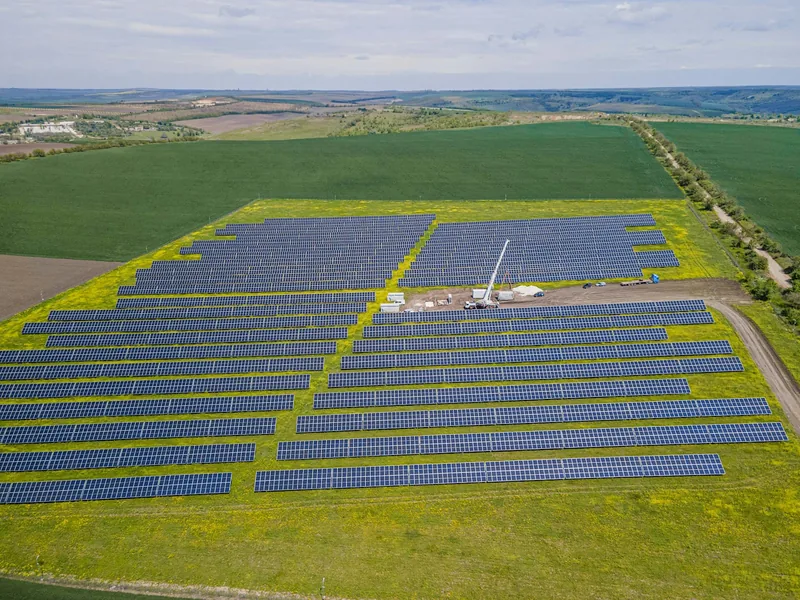
Dairy farm solar PV, 30 kWp array, with TAMS 3 60% grant: €11,200 to €15,600 net after 60% TAMS (full €28,000 to €39,000 ex-VAT).
How the farm solar figure is worked out
Guide ranges reflect typical Irish ex-VAT supply-and-fit agricultural PV rates (€1,000 to €1,400/kWp on sound steel shed roofs; €1,300 to €1,850/kWp ground-mounted) for panels, mounting rails, inverters, DC/AC cabling and DAFM S.198 commissioning. Net figures deduct the 60% TAMS 3 SCIS grant (paid on the lowest of actual ex-VAT invoice, proposed cost or DAFM reference cost up to €90,000). Optional battery storage (grant-aided up to 50% of solar kWp), ESB NC7 fee (€1,041.81 incl. VAT), purlin strengthening or asbestos roof replacement are priced after an on-farm survey. farmsolarpanels.ie is not DAFM, SEAI or a government body and does not award grants.
When a farm battery pays back, and when to skip it
Batteries earn money on the spread between what you pay to import a unit of day-rate farm electricity (often 28c to 38c/kWh) and what your supplier pays you to export surplus solar (14c to 19.5c/kWh). Shifting one kWh from midday export into a 6:30 am milking saves roughly 12c to 20c per cycle. Over 250 to 300 daily cycles per year, a 15 kWh bank costing €3,000 net after TAMS saves roughly €550 to €800 per year.
- Strong case on twice-a-day dairy farms: milking at 6:30 am and 5:30 pm misses midday sun; a 15 kWh bank stores lunchtime power for evening washdown and charges on cheap night-rate tariffs in winter for morning milking.
- Strong case on constrained ESB connections: if ESB caps export on an NC6 or rural transformer, DC-coupled batteries soak up surplus noon watts that would otherwise be clipped.
- Weak case on poultry and pig houses: continuous daytime ventilation fans already consume 90% of array output live, leaving very little surplus to charge a battery.
- Frost and location discipline: lithium iron phosphate (LFP) cells degrade or pause charging below 0°C; house farm batteries inside a dry, insulated, frost-free switchroom or dairy plant room.
Compare paired panel-and-battery budgets on farm solar cost by kWp and dairy farm solar.
Related farm solar guides
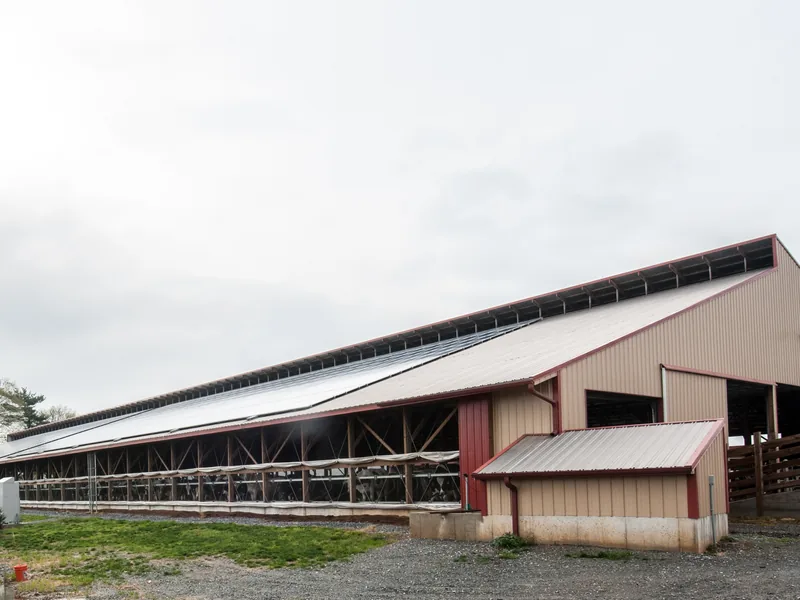 Dairy farm solarMilking parlour cooling, water heating and 20–50 kWp sizing.TAMS 3 60% solar grant€90,000 ring-fenced ceiling, DAFM reference costs and 62 kWp cap.
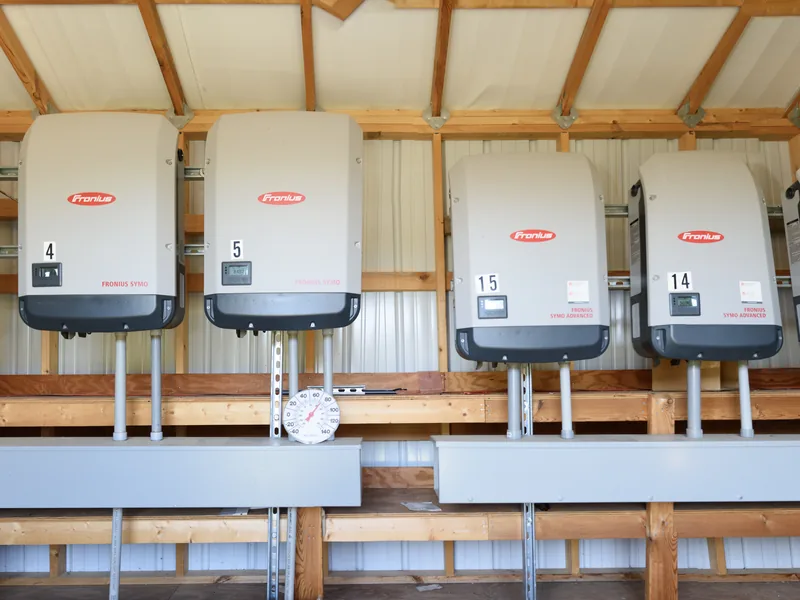 Three-phase shed systems11 kVA NC6 vs 50 kVA NC7 inverters and balanced parlour loads.
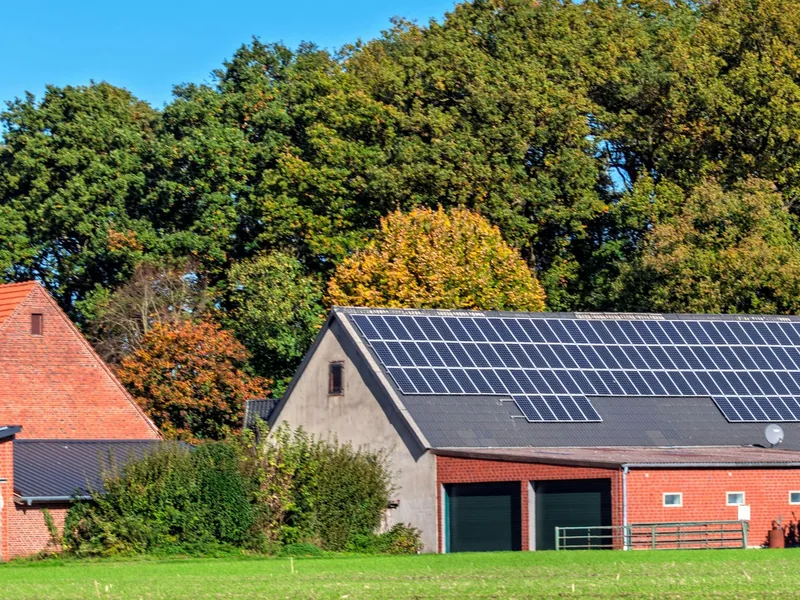 Farm solar cost by kWpFull 10–50 kWp ex-VAT prices before and after the 60% TAMS 3 grant.
 Payback & CEG exportSelf-consumption, 14c–19.5c CEG export rates and 3–4 year ROI.
 Comparing farm quotesTen technical lines every written agricultural solar quote should state.
Farm solar battery questions
Can I claim a TAMS 3 grant to add a battery to panels I fitted two years ago?
No. TAMS 3 SCIS only grant-aids battery storage when purchased and installed simultaneously with a new solar PV system.
Will a farm solar battery keep the milking parlour running during an ESB storm outage?
Not by default. Standard grid-tied hybrid inverters shut down during grid outages for lineworker safety. If you need storm backup for vacuum pumps or bulk tank cooling, specify a dedicated changeover switch or EPS backup circuit rated for motor startup surge.
What battery chemistry is standard for Irish farm sheds?
Lithium iron phosphate (LFP / LiFePO4) modular racks are the agricultural standard due to high cycle life (6,000+ cycles), thermal stability and zero gassing.
Can I charge a farm battery on cheap night-rate electricity in winter?
Yes. Hybrid inverters can top up the battery on night-rate or EV/smart off-peak tariffs during dark December and January weeks, then discharge during peak morning milking.
All farm solar pages and guides
Farm PV systems
Grants, grid & tax
Price panels plus a TAMS-eligible battery
Run four quick taps in the planner and ask a single farm solar installer in your county to quote your kWp array with and without storage.