
Farm solar payback and the Clean Export Guarantee
Every kWp of farm solar in Ireland generates roughly 850 to 950 kWh per year. Displacing day-rate grid imports (28c–38c/kWh) while earning 14c to 19.5c/kWh on surplus Clean Export Guarantee units delivers 3 to 4 year payback on dairy farms with TAMS 3, dropping to 2 to 3 years after Year 1 ACA tax relief.
Why self-consumed farm kilowatt-hours beat export rates, what Irish suppliers pay under CEG, and realistic payback years across dairy, poultry and beef.
Free, no obligation. One local installer prices it, not five.
- 3–4 yrsdairy payback with 60% TAMS 3
- 2–3 yrseffective payback after Year 1 ACA
- 14c–19.5cIrish CEG supplier export tariff range
- 25–30 yrstypical panel output warranty life
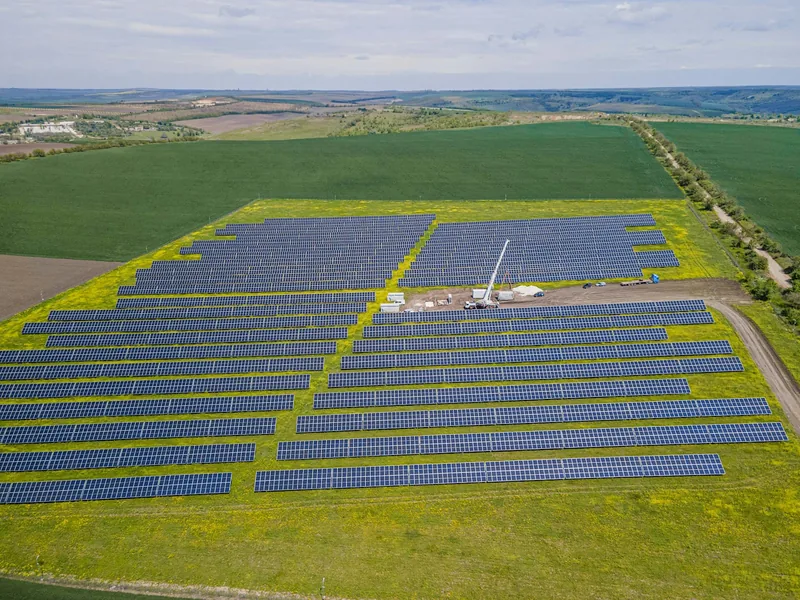
Self-consumption versus Clean Export Guarantee (CEG) income
Two prices drive every Irish farm solar payback spreadsheet. Every kilowatt-hour you generate on the shed roof and use immediately inside the parlour, fan bank or grain store displaces an imported unit costing roughly 28c to 38c/kWh (including PSO/standing impacts on day tariffs). Every surplus kilowatt-hour spilled out onto the ESB network earns your supplier's Clean Export Guarantee (CRU framework) rate, currently sitting between 14c and 19.5c per kWh depending on supplier.
Because using power on site is worth almost twice as much as exporting it, farms with steady daytime demand (dairy cooling and water heating, robotic milkers, poultry fans, pig ventilation) clear payback fastest. Even on beef or tillage yards with lower daytime demand, CEG credits steadily pay down winter electricity bills once a smart meter and registered ESB Maximum Export Capacity are active.
100-cow dairy farm (with TAMS)
- Array & net cost (TAMS)
- 30 kWp · €11,200–€15,600 net
- Annual output
- 25,500–28,500 kWh/yr
- Estimated annual value & payback
- €5,000–€7,200/yr · ~3–4 yrs (2–3 yrs after ACA)
Broiler or pig house (with TAMS)
- Array & net cost (TAMS)
- 50 kWp · €19,200–€25,600 net
- Annual output
- 42,500–47,500 kWh/yr
- Estimated annual value & payback
- €9,500–€13,500/yr · ~2.5–3.5 yrs
Beef / drystock yard (with TAMS)
- Array & net cost (TAMS)
- 10 kWp · €4,000–€5,400 net
- Annual output
- 8,500–9,500 kWh/yr
- Estimated annual value & payback
- €1,400–€2,100/yr · ~4–6 yrs
No grant (commercial / private)
- Array & net cost (TAMS)
- 30 kWp · €28,000–€39,000 gross
- Annual output
- 25,500–28,500 kWh/yr
- Estimated annual value & payback
- €5,000–€7,200/yr · ~6–8 yrs (faster with ACA)
Price my farm solar
Four quick taps show your full ex-VAT cost and net cost after the 60% TAMS 3 grant before we ask for a phone number.
Dairy farm solar PV, 30 kWp array, with TAMS 3 60% grant: €11,200 to €15,600 net after 60% TAMS (full €28,000 to €39,000 ex-VAT).
How the farm solar figure is worked out
Guide ranges reflect typical Irish ex-VAT supply-and-fit agricultural PV rates (€1,000 to €1,400/kWp on sound steel shed roofs; €1,300 to €1,850/kWp ground-mounted) for panels, mounting rails, inverters, DC/AC cabling and DAFM S.198 commissioning. Net figures deduct the 60% TAMS 3 SCIS grant (paid on the lowest of actual ex-VAT invoice, proposed cost or DAFM reference cost up to €90,000). Optional battery storage (grant-aided up to 50% of solar kWp), ESB NC7 fee (€1,041.81 incl. VAT), purlin strengthening or asbestos roof replacement are priced after an on-farm survey. farmsolarpanels.ie is not DAFM, SEAI or a government body and does not award grants.
How farm electricity tariff choice boosts returns
Switching to a competitive commercial day/night or smart export tariff after commissioning sharpens payback even further:
- Compare supplier CEG rates annually: CRU does not lock a single national export price, so supplier tariffs diverge by 4c to 6c/kWh across the market.
- Divert midday surplus to hot water before exporting: heating dairy washdown water with excess solar avoids importing 25c–35c day units or burning kerosene.
- Factor in panel degradation honestly: quality N-type panels hold over 87% to 89% of original output at Year 25; inverters typically need budgeting for one replacement around Year 10 to 15.
- Account for CEG income tax cleanly: while domestic micro-generation enjoys a €400 personal income tax disregard, commercial farm export credits offset business electricity bills and flow through farm accounts.
See how Year 1 tax relief cuts effective payback on Accelerated Capital Allowances and VAT 58.
Related farm solar guides
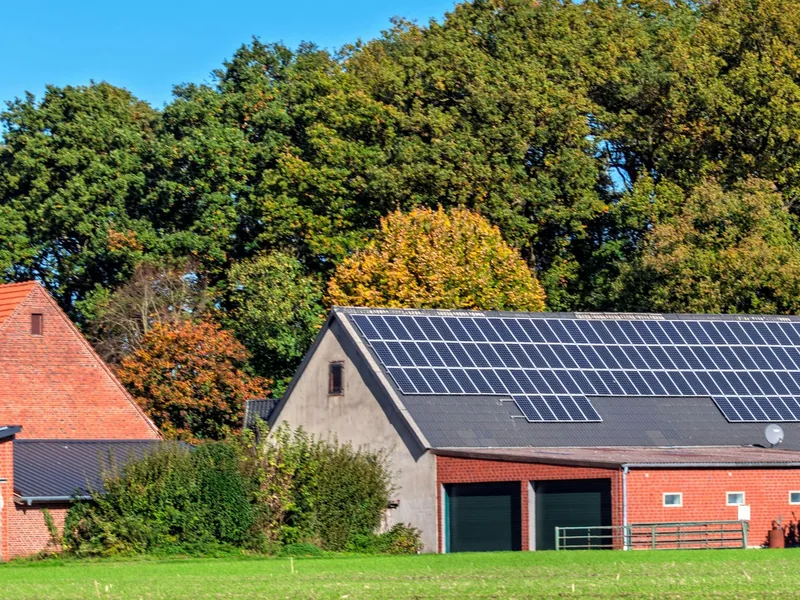 Farm solar cost by kWpFull 10–50 kWp ex-VAT prices before and after the 60% TAMS 3 grant.
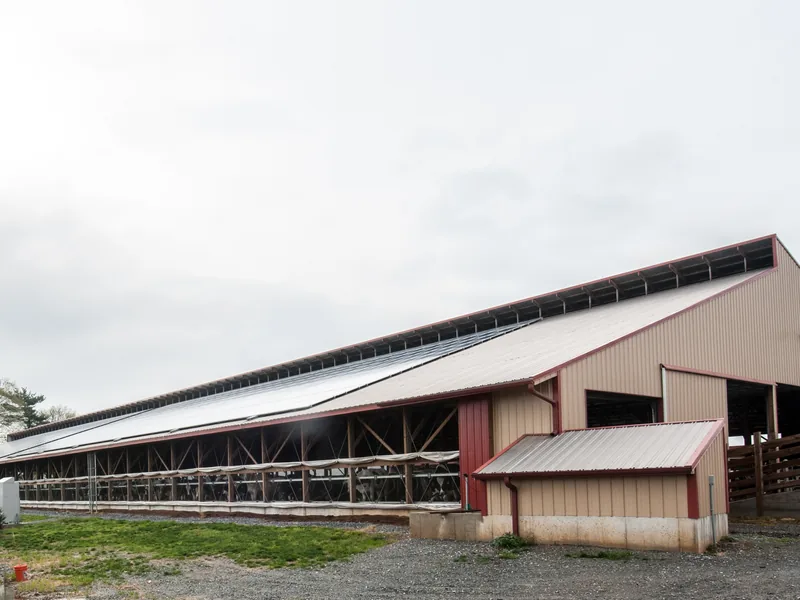 TAMS 3 60% solar grant€90,000 ring-fenced ceiling, DAFM reference costs and 62 kWp cap.
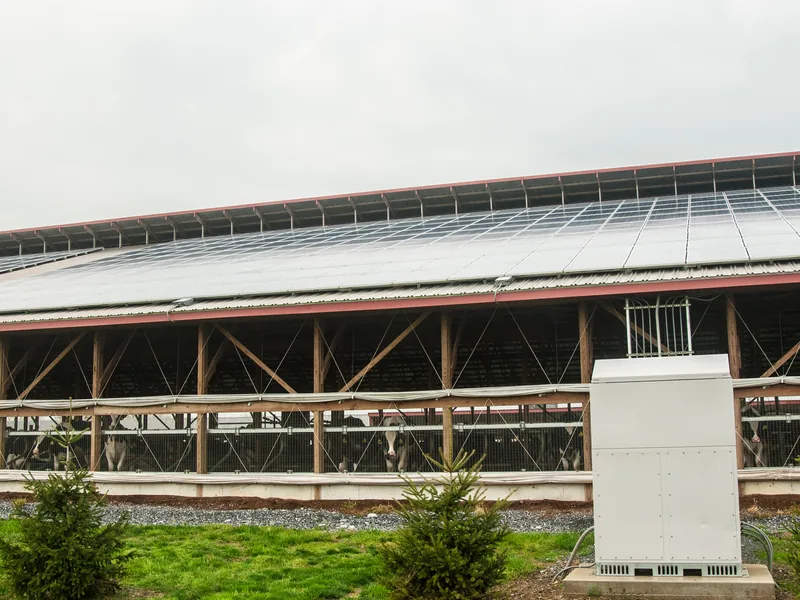 ACA write-off & VAT 58100% Year 1 capital allowance, Triple E listing and VAT 58 claims.
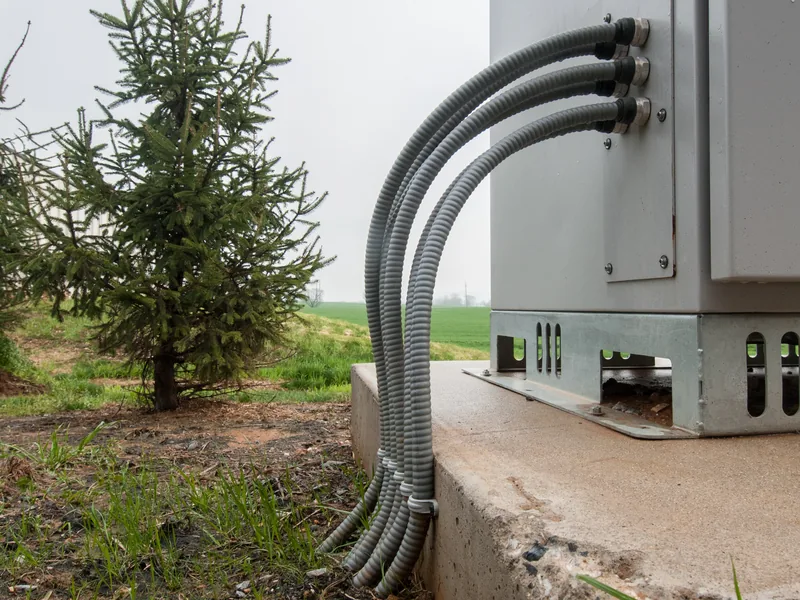 ESB NC6 vs NC7 grid rules6/11 kVA inform-and-fit vs 50 kVA Connection Offers and €1,041.81 fee.Dairy farm solarMilking parlour cooling, water heating and 20–50 kWp sizing.
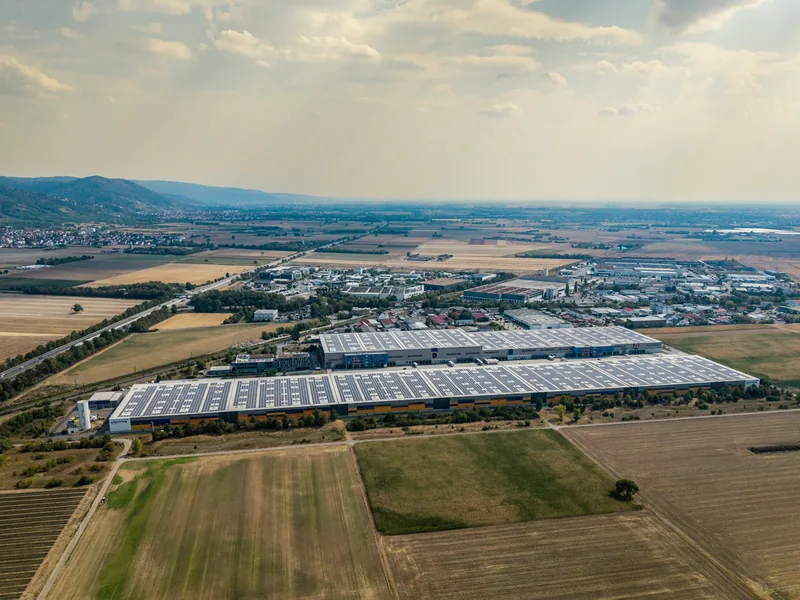 Poultry and pig unitsHigh continuous fan and feed loads delivering fast solar payback.
Payback and CEG export questions
How many kWh does 1 kWp of solar panels make per year in Ireland?
Depending on county, roof pitch and orientation, 1 kWp produces roughly 850 to 950 kWh per year in Ireland: closer to 920–950 kWh along the south and south-east coasts and 840–890 kWh in the north-west.
Why haven't I received Clean Export Guarantee payments yet after fitting solar?
The two usual holdups are an uncompleted ESB NC6/NC7 MEC registration or an older non-smart meter still on the wall. Contact ESB Networks to confirm your MEC is live, then register the export tariff with your electricity supplier.
What happens to farm solar output in December and January?
Mid-winter months generate roughly 2% to 3% of annual output each, whereas May, June and July each deliver 13% to 15%. Annual payback calculations already average all 12 months of Irish weather.
Do solar panels still make financial sense on a farm without the TAMS 3 grant?
Yes, particularly on high-load dairy, poultry or pig farms. Without TAMS, payback typically runs 6 to 8 years before tax relief (or roughly 4 to 5.5 years after claiming 100% Year 1 Accelerated Capital Allowances at the 40% marginal income tax band).
All farm solar pages and guides
Farm PV systems
Grants, grid & tax
Check your farm's kWp cost and payback
Run the four-tap planner and a single farm solar installer in your county will build a kWh and payback schedule from your actual bills.