
Dairy farm solar panels in Ireland
A 100-cow Irish dairy herd draws 25,000 to 35,000 kWh a year across milk cooling, water heating and vacuum pumps. A 30 kWp shed-roof array costs €28,000 to €39,000 ex-VAT (€11,200 to €15,600 net after the 60% TAMS 3 grant) and usually pays back in 3 to 4 years.
Matching 20 kWp to 50 kWp milking parlour arrays to morning and evening cooling, vacuum pump and hot water peaks.
Free, no obligation. One local installer prices it, not five.
- €11,200–€15,60030 kWp dairy array net after TAMS
- 25k–35k kWhannual demand per 100 dairy cows
- 3–4 yrstypical payback with 60% TAMS
- 15 kWhmax TAMS battery on a 30 kWp array
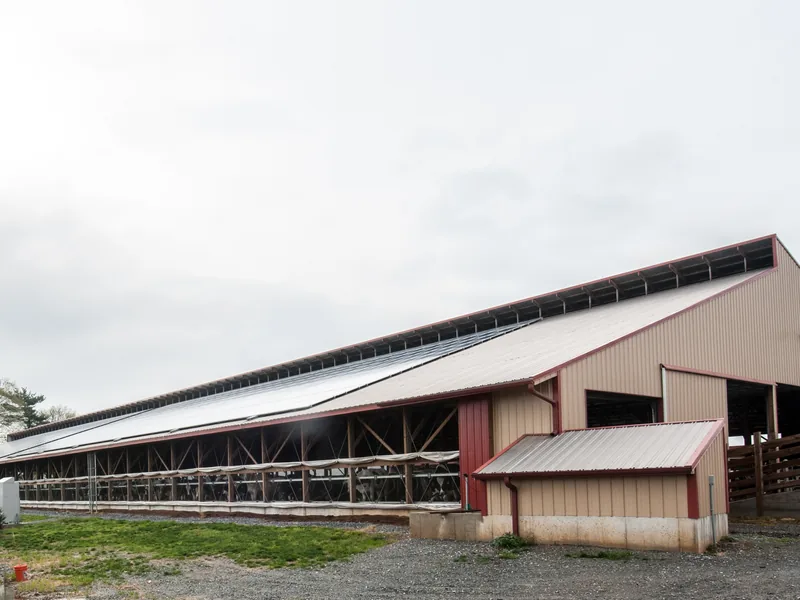
Why spring-calving dairy loads match Irish sunshine
Irish pasture-based dairy production peaks from March through October, the exact eight months when Irish solar PV generates roughly 80% of its annual electricity. According to Teagasc dairy energy audits, four parlour loads absorb four-fifths of every farm electricity bill: bulk tank milk cooling (about 31%), washdown water heating (about 25%), vacuum and milk pumps (about 20%), and yard lighting, scrapers and backing gates.
Even when cows are milked at 6:30 am and 5:00 pm, three practical tactics push self-consumption past 65% to 80%: shifting hot water heating onto a solar diverter between 10:00 am and 3:00 pm, pairing an ice-bank or variable-speed plate cooler with midday pre-chilling, and adding a grant-aided battery (up to 50% of array kWp) to cover the dawn and dusk milking peaks.
60 to 80 cows
- Typical annual usage
- 16,000–22,000 kWh/yr
- Target solar array
- 15–20 kWp + optional 10 kWh battery
- Full / net after TAMS 3
- €20,000–€26,000 gross / €8,000–€10,400 net
100 to 130 cows
- Typical annual usage
- 25,000–35,000 kWh/yr
- Target solar array
- 25–30 kWp + 15 kWh battery
- Full / net after TAMS 3
- €28,000–€39,000 gross / €11,200–€15,600 net
160 to 220 cows
- Typical annual usage
- 42,000–58,000 kWh/yr
- Target solar array
- 45–50 kWp + 20–25 kWh battery
- Full / net after TAMS 3
- €48,000–€64,000 gross / €19,200–€25,600 net
Robotic milking (2–3 robots)
- Typical annual usage
- 50,000–75,000 kWh/yr
- Target solar array
- 50–62 kWp 3-phase NC7
- Full / net after TAMS 3
- Up to €90,000 TAMS ceiling (€54k max grant)
Price my farm solar
Four quick taps show your full ex-VAT cost and net cost after the 60% TAMS 3 grant before we ask for a phone number.
Dairy farm solar PV, 30 kWp array, with TAMS 3 60% grant: €11,200 to €15,600 net after 60% TAMS (full €28,000 to €39,000 ex-VAT).
How the farm solar figure is worked out
Guide ranges reflect typical Irish ex-VAT supply-and-fit agricultural PV rates (€1,000 to €1,400/kWp on sound steel shed roofs; €1,300 to €1,850/kWp ground-mounted) for panels, mounting rails, inverters, DC/AC cabling and DAFM S.198 commissioning. Net figures deduct the 60% TAMS 3 SCIS grant (paid on the lowest of actual ex-VAT invoice, proposed cost or DAFM reference cost up to €90,000). Optional battery storage (grant-aided up to 50% of solar kWp), ESB NC7 fee (€1,041.81 incl. VAT), purlin strengthening or asbestos roof replacement are priced after an on-farm survey. farmsolarpanels.ie is not DAFM, SEAI or a government body and does not award grants.
East-west shed pitches versus south-facing roofs
Do not reject a milking parlour or cubicle house just because the ridge runs north-south. Splitting panels across both east- and west-facing shed slopes flattens the midday spike and boosts early-morning and late-afternoon generation right when the parlour cluster goes on.
- East roof slope: wakes up earlier in spring and summer to help power morning milking, washdown and initial tank pull-down.
- West roof slope: holds higher output from 4:00 pm to 7:30 pm during evening milking and second-stage milk cooling.
- Hot water immersion diverter: automatically absorbs midday kilowatt surplus into the parlour boiler before exporting cheaper units to the grid.
- Three-phase inverter balance: splits generation evenly across all three phases so a heavy 3-phase ice-bank or bulk tank draws balanced solar power.
Check farm battery storage and three-phase shed systems for parlour wiring details.
Related farm solar guides
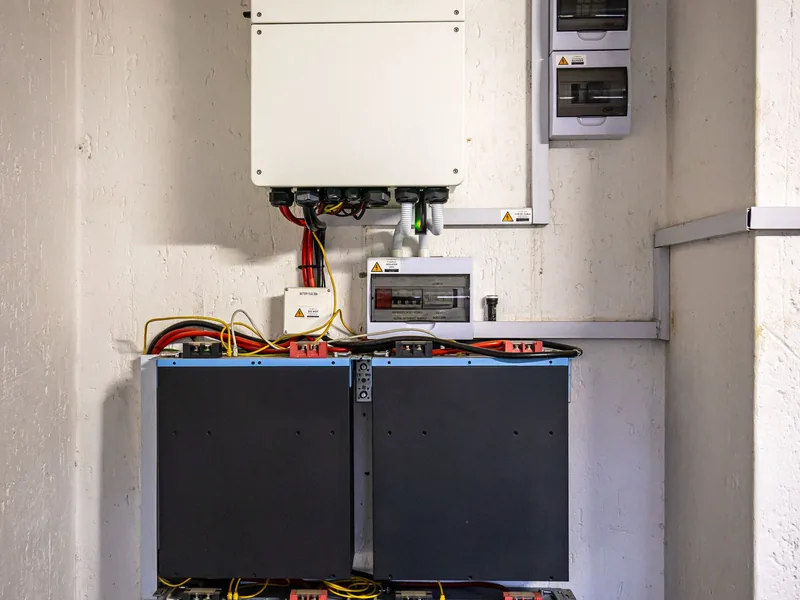 Farm battery storageTAMS 3 50%-of-kWp battery limits and milking peak shaving.TAMS 3 60% solar grant€90,000 ring-fenced ceiling, DAFM reference costs and 62 kWp cap.
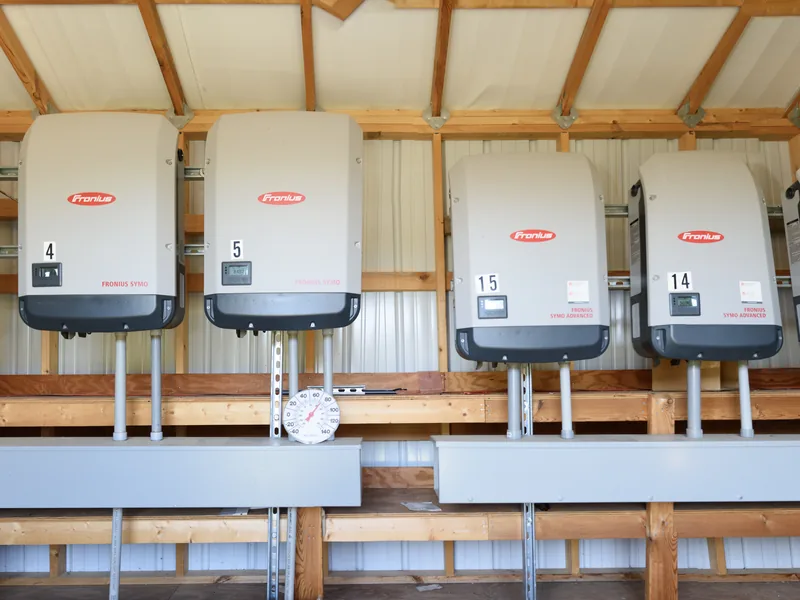 Three-phase shed systems11 kVA NC6 vs 50 kVA NC7 inverters and balanced parlour loads.
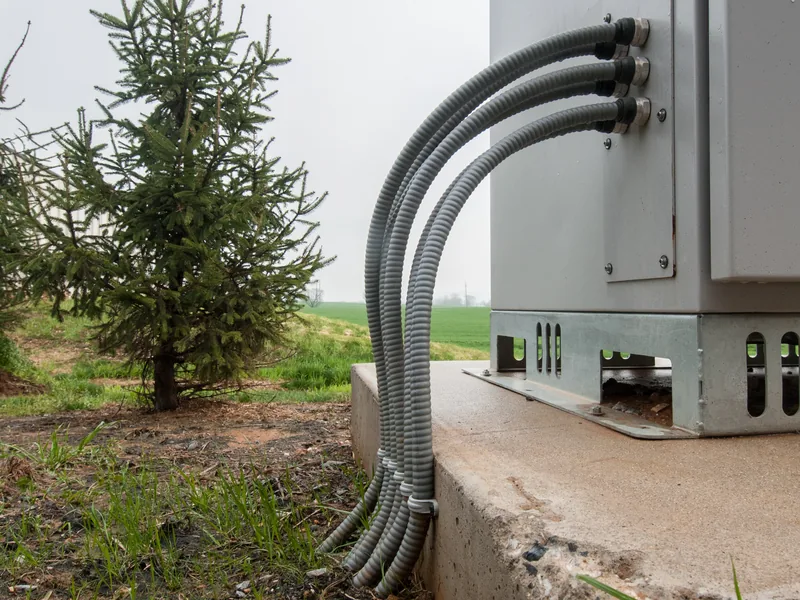 ESB NC6 vs NC7 grid rules6/11 kVA inform-and-fit vs 50 kVA Connection Offers and €1,041.81 fee.
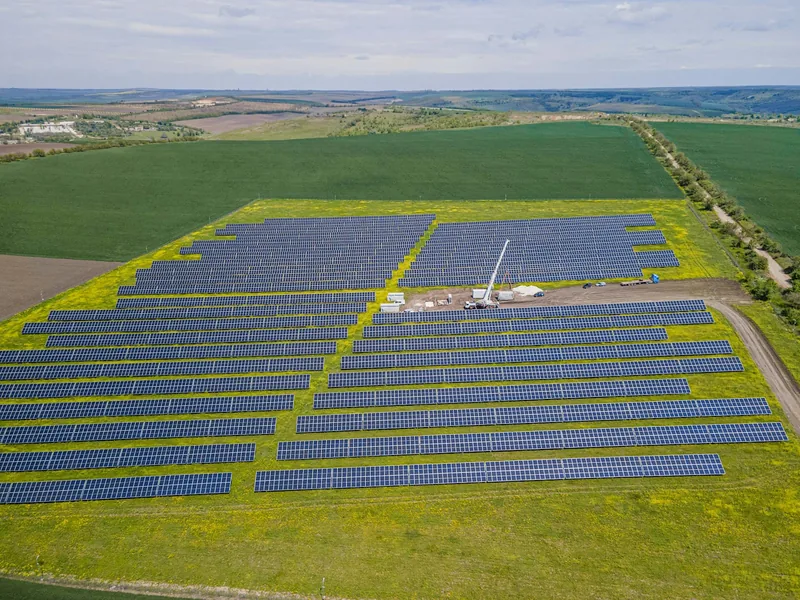 Payback & CEG exportSelf-consumption, 14c–19.5c CEG export rates and 3–4 year ROI.
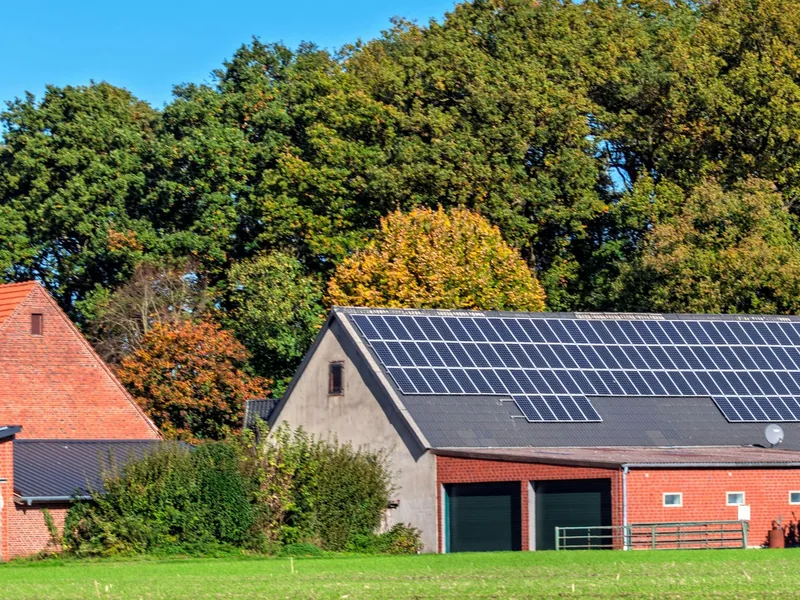 Farm solar cost by kWpFull 10–50 kWp ex-VAT prices before and after the 60% TAMS 3 grant.
Dairy farm solar questions
What size solar array suits a 100-cow dairy farm in Ireland?
Most 100-cow spring-calving farms install 25 kWp to 30 kWp, generating roughly 22,000 to 28,500 kWh per year. Pair it with a 10 to 15 kWh battery and water diverter to capture early morning and evening milking loads.
Do robotic milking parlours get even faster payback from solar?
Yes. Because milking robots run continuously across daylight hours rather than solely at dawn and dusk, robotic herds achieve 75% to 90% direct solar self-consumption without needing oversized batteries.
Can I link a dairy shed solar array into the farmhouse meter too?
Under TAMS 3 rules, grant-aided kWp capacity must be justified strictly by farm electricity usage, excluding domestic household demand. Keep clean MPRN records for your agricultural advisor and surveyor.
Should I upgrade my milk cooling before sizing a solar system?
Fitting a plate cooler and variable-speed vacuum pump first lowers baseline kWh consumption, ensuring you do not overspend on panels to feed avoidable parlour waste.
All farm solar pages and guides
Farm PV systems
Grants, grid & tax
Price solar PV for your milking parlour
Select your kWp band and county to see net TAMS costs, then a single farm solar installer in your county reviews your parlour MPRN bills.