
Tillage and grain store solar panels in Ireland
Tillage farms across Wexford, Kilkenny, Carlow, Kildare and Meath sit in Ireland's sunniest solar belt (up to 950 kWh/kWp/yr) and have big clear-span steel grain stores. A 20 kWp array costs €8,000 to €10,400 net after TAMS 3 and powers harvest fans plus summer export.
Using wide, unshaded south-east and mid-east grain store roofs to power harvest fans, workshops and year-round Clean Export Guarantee income.
Free, no obligation. One local installer prices it, not five.
- €8,000–€10,40020 kWp grain shed net after TAMS
- 900–950 kWhannual output per kWp in the South-East
- 50% of energycan go to drying & storage on dryer farms
- 14c–19.5cCEG export rate per surplus kWh
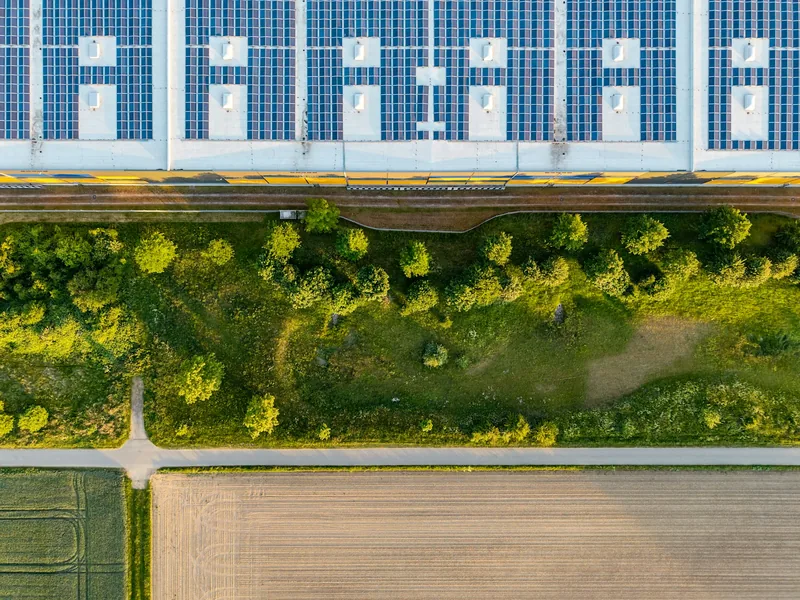
Turning seasonal harvest demand into year-round savings
Grain stores present a very different electrical profile from dairy or poultry farms. During July, August and September harvest, intake elevators, pre-cleaners, batch or continuous-flow dryer fans and on-floor cooling fans pull heavy three-phase bursts right during long sunny days. From October through June, direct on-farm electrical usage drops back to ventilation top-ups, workshop machinery, grain rolling and yard lighting.
That makes two checks crucial before lodging a TAMS 3 SCIS application on a tillage holding: verify your 12-month historical farm MPRN kWh total (so DAFM approves the target kWp size), and register your ESB Maximum Export Capacity promptly so every spring and early-summer kilowatt-hour outside harvest earns Clean Export Guarantee credits on your electricity bill.
Machinery shed & workshop
- Typical array size
- 10–15 kWp
- Key electrical loads
- Compressors, welders, yard lights, fuel pumps
- Full / net after TAMS 3
- €10,000–€13,500 / €4,000–€5,400 (10 kWp)
Medium grain store & aeration fans
- Typical array size
- 20–30 kWp
- Key electrical loads
- Cooling floor fans, intake elevators, augers
- Full / net after TAMS 3
- €20,000–€26,000 / €8,000–€10,400 (20 kWp)
Large grain dryer & seed store
- Typical array size
- 30–50 kWp 3-phase
- Key electrical loads
- Continuous-flow dryer motors, cleaners, conveyors
- Full / net after TAMS 3
- €48,000–€64,000 / €19,200–€25,600 (50 kWp)
Price my farm solar
Four quick taps show your full ex-VAT cost and net cost after the 60% TAMS 3 grant before we ask for a phone number.
Tillage or grain store solar PV, 20 kWp array, with TAMS 3 60% grant: €8,000 to €10,400 net after 60% TAMS (full €20,000 to €26,000 ex-VAT).
How the farm solar figure is worked out
Guide ranges reflect typical Irish ex-VAT supply-and-fit agricultural PV rates (€1,000 to €1,400/kWp on sound steel shed roofs; €1,300 to €1,850/kWp ground-mounted) for panels, mounting rails, inverters, DC/AC cabling and DAFM S.198 commissioning. Net figures deduct the 60% TAMS 3 SCIS grant (paid on the lowest of actual ex-VAT invoice, proposed cost or DAFM reference cost up to €90,000). Optional battery storage (grant-aided up to 50% of solar kWp), ESB NC7 fee (€1,041.81 incl. VAT), purlin strengthening or asbestos roof replacement are priced after an on-farm survey. farmsolarpanels.ie is not DAFM, SEAI or a government body and does not award grants.
Wide-span grain store roof advantages and SSZ checks
Modern portal-frame grain stores built over the past 20 years are among the easiest farm buildings in Ireland to fit with solar panels, thanks to heavy steel I-beam rafters, straight box-profile sheeting and zero chimney shading.
- Large unobstructed spans: a single 6-bay grain shed easily carries 30 to 50 kWp on one clean south, east or west slope with short string runs.
- Check airport Solar Safeguarding Zones: many tillage farms in Meath, Dublin, Kildare, Cork and Waterford fall inside one of Ireland's 43 airport or helipad SSZs, capping exempt rooftop solar at 300 m² (roughly 55–60 kWp).
- Keep grain-dust seals tight around cable entries: seal every DC roof penetration and keep inverters in a clean, dust-free switch cupboard away from intake hoppers.
- Thermal dryer fuel still separate: while solar offsets electric dryer fans, augers and cooling floors directly, burner heat still relies on kerosene, diesel or biomass.
Check Solar Safeguarding Zones and Clean Export Guarantee payback for grain yards.
Related farm solar guides
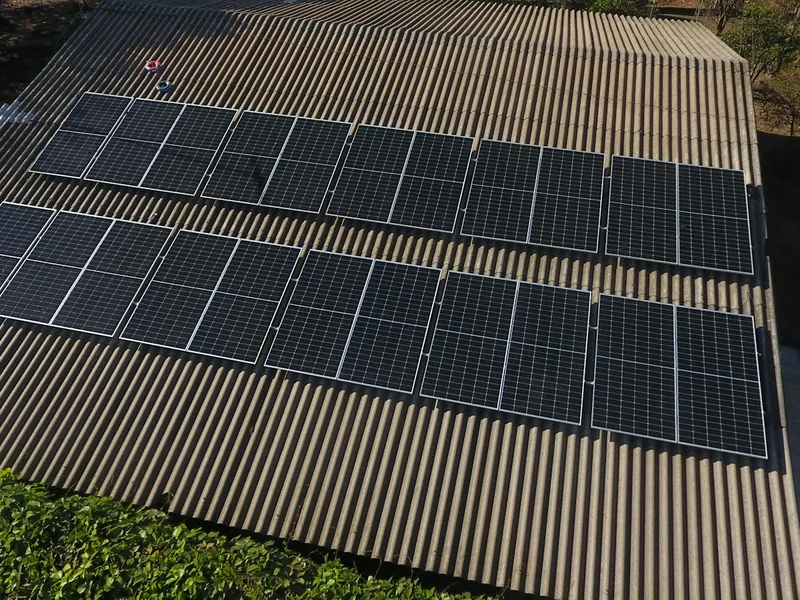 Shed purlins & asbestosPurlin load checks, engineer sign-off and HSA fibre-cement bans.
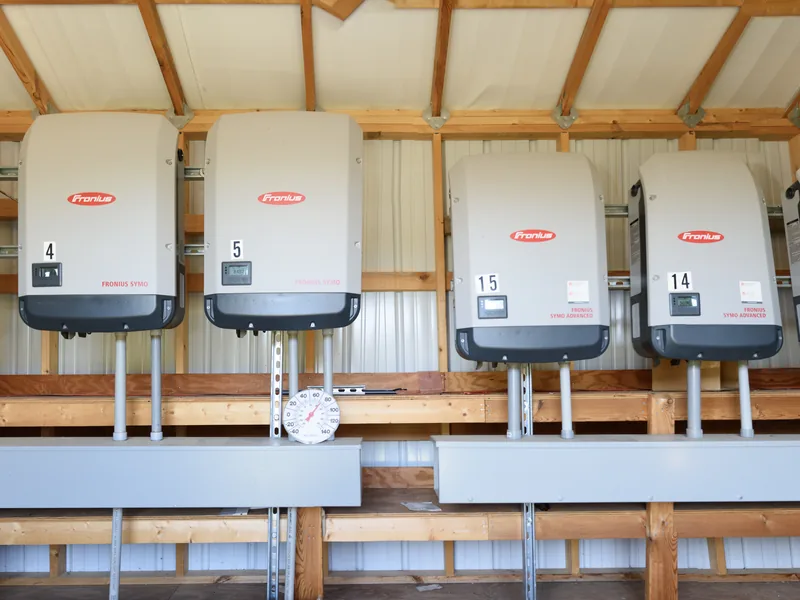 Three-phase shed systems11 kVA NC6 vs 50 kVA NC7 inverters and balanced parlour loads.
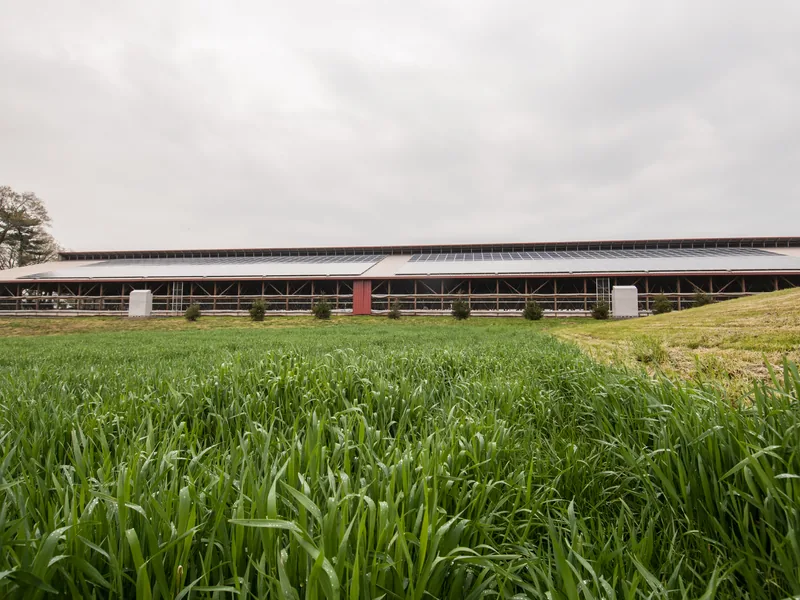 Planning & SSZ zonesS.I. 493/2022 exemptions, 300 m² airport SSZ caps and 75 m² ground limits.
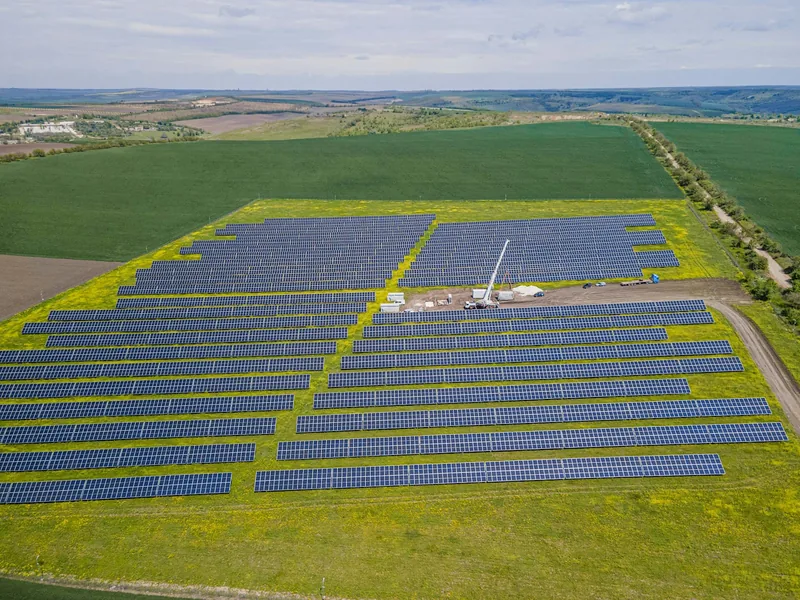 Payback & CEG exportSelf-consumption, 14c–19.5c CEG export rates and 3–4 year ROI.
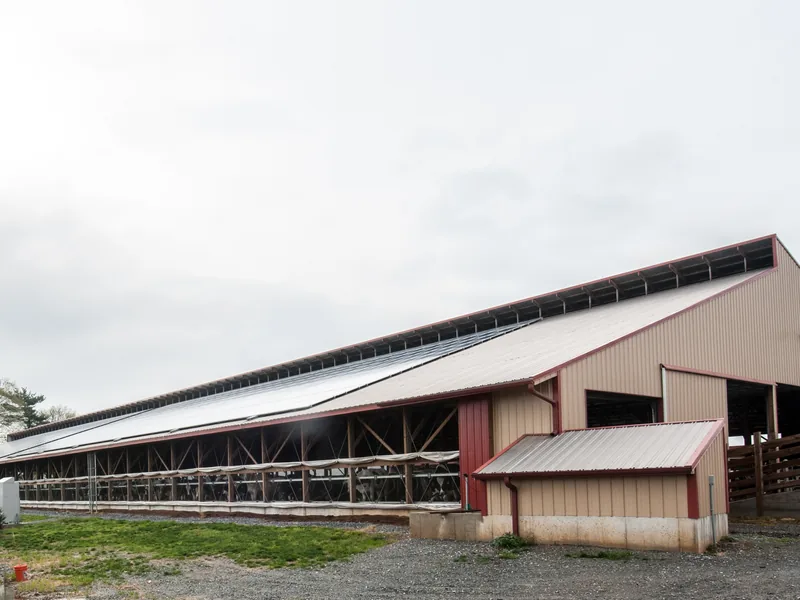 TAMS 3 60% solar grant€90,000 ring-fenced ceiling, DAFM reference costs and 62 kWp cap.
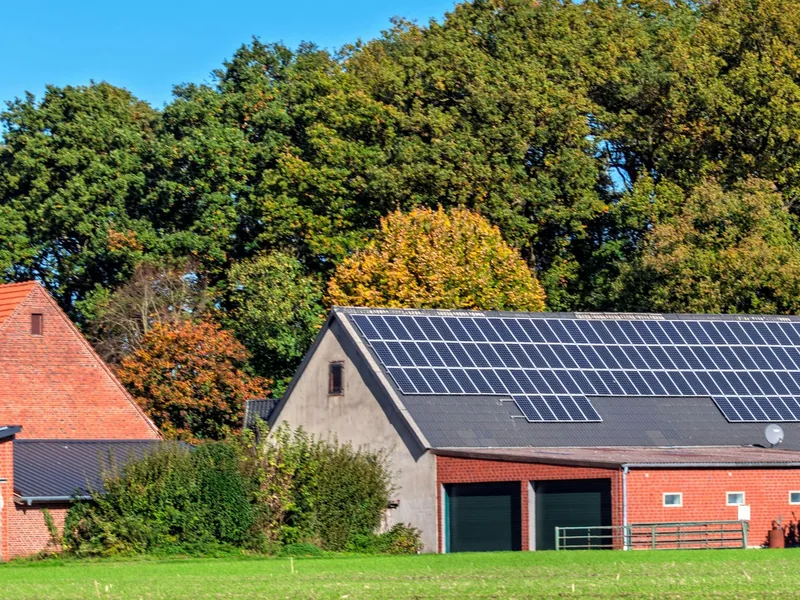 Farm solar cost by kWpFull 10–50 kWp ex-VAT prices before and after the 60% TAMS 3 grant.
Tillage and grain store solar questions
Will a tillage farm with a seasonal grain dryer qualify for a 30 kWp TAMS 3 grant?
DAFM bases eligible kWp on verified 12-month agricultural electricity consumption on the farm MPRN. If your dryer fans, cooling floors, workshop and grain handling burn 25,000+ kWh a year, a 25 to 30 kWp system usually stacks up cleanly.
How much roof area does a 30 kWp grain-store solar array need?
Allow roughly 140 to 160 m² of usable steel cladding for 66 to 75 modern commercial panels, leaving safe perimeter wind-edge margins.
Can I export surplus spring solar power before harvest starts?
Yes. Once ESB Networks logs your NC6 or NC7 Maximum Export Capacity and a smart meter is fitted, your electricity supplier credits exported units under the Clean Export Guarantee (typically 14c to 19.5c/kWh).
Is a battery useful on a tillage farm?
A modest battery helps cover evening workshop work or overnight grain-floor cooling fans after sunset, though many tillage holdings prioritise panel kWp and CEG export over large batteries.
All farm solar pages and guides
Farm PV systems
Grants, grid & tax
Price solar PV on your grain or machinery shed
Choose your kWp band and county, and a single farm solar installer in your county will check your roof span and MPRN bills.