
Solar hot water diverters and load shifting on farms
A solar hot water diverter costs €550 to €950 fitted and turns an existing insulated dairy water cylinder into a thermal battery, capturing midday solar surplus before it exports at 14c to 19.5c/kWh. On most parlours, fitting a diverter and shifting cooling timers pays back faster than buying battery storage alone.
How to match midday shed-roof generation to milk cooling, hot washdown cylinders and battery banks so fewer kilowatt-hours leak onto low-rate export.
Free, no obligation. One local installer prices it, not five.
- €550–€950fitted solar hot water diverter
- 25%of dairy electricity used on hot water
- €2,400–€3,80015 kWh battery net after 60% TAMS
- 14c to 19.5c/kWhClean Export Guarantee tariff range
Where a dairy farm's electricity actually goes
Teagasc dairy energy audits show that three parlour jobs absorb roughly three-quarters of a typical 100-cow electricity bill (25,000 to 35,000 kWh/yr): bulk-tank milk cooling takes about 31%, washdown water heating about 25%, and vacuum and milk pumps around 20%. Without load shifting, a south-facing roof peaks at noon while the parlour draws heaviest at 7:00 am and 5:30 pm.
Every daytime kWh used inside the yard displaces full commercial import rates, whereas exported units earn 14c to 19.5c/kWh under the Clean Export Guarantee. Pushing self-consumption upward is what drives typical dairy TAMS 3 paybacks of 3 to 4 years (or 2 to 3 years with 100% Year 1 ACA).
Price my farm solar
Four quick taps show your full ex-VAT cost and net cost after the 60% TAMS 3 grant before we ask for a phone number.
Dairy farm solar PV, 30 kWp array, with TAMS 3 60% grant: €11,200 to €15,600 net after 60% TAMS (full €28,000 to €39,000 ex-VAT).
How the farm solar figure is worked out
Guide ranges reflect typical Irish ex-VAT supply-and-fit agricultural PV rates (€1,000 to €1,400/kWp on sound steel shed roofs; €1,300 to €1,850/kWp ground-mounted) for panels, mounting rails, inverters, DC/AC cabling and DAFM S.198 commissioning. Net figures deduct the 60% TAMS 3 SCIS grant (paid on the lowest of actual ex-VAT invoice, proposed cost or DAFM reference cost up to €90,000). Optional battery storage (grant-aided up to 50% of solar kWp), ESB NC7 fee (€1,041.81 incl. VAT), purlin strengthening or asbestos roof replacement are priced after an on-farm survey. farmsolarpanels.ie is not DAFM, SEAI or a government body and does not award grants.
Hot water diverter versus battery storage versus CEG export
Solar hot water diverter
- Installed cost ex-VAT
- €550 to €950
- TAMS 3 status
- Small ancillary electrical line
- Where it earns on the yard
- Soaks up midday surplus into parlour hot-wash cylinders (25% of dairy demand).
10 kWh LFP battery
- Installed cost ex-VAT
- €4,000 to €6,000 gross / €1,600 to €2,400 net
- TAMS 3 status
- 60% grant with 20+ kWp PV (50% cap)
- Where it earns on the yard
- Covers morning and evening vacuum pumps, lighting and washdown peaks on 60–80 cow herds.
15 kWh LFP battery
- Installed cost ex-VAT
- €6,000 to €9,500 gross / €2,400 to €3,800 net
- TAMS 3 status
- 60% grant with 30+ kWp PV (50% cap)
- Where it earns on the yard
- Matches 100–130 cow milking parlours alongside an east-west roof split.
Smart-meter CEG export
- Installed cost ex-VAT
- €0 hardware once MEC registered
- TAMS 3 status
- Requires NC6/NC7 sign-off
- Where it earns on the yard
- Pays 14c to 19.5c/kWh on surplus units left over in summer once cylinders and batteries are full.
Compare full battery tiers on farm battery storage and export returns on payback and CEG export.
Practical order for load shifting in a working parlour
- Step 1: Fix waste before sizing panels. A plate cooler and variable-speed vacuum pump cut baseline parlour draw so you do not oversize the array.
- Step 2: Fit a hot water diverter (€550 to €950). Wire the immersion element on priority control so midday solar heats washdown water to target temperature before exporting.
- Step 3: Use east-west pitches and midday ice-bank charging. Spreading panels across east and west slopes boosts early and late milking cover, while ice-bank cooling stores cold energy during midday sun.
- Step 4: Size battery storage to the 50% TAMS rule. TAMS 3 grant-aids battery kWh up to half your solar kWp (e.g. 15 kWh on 30 kWp) only when fitted with the panels.
- Step 5: Check three-phase balance. On three-phase parlours, confirm the inverter and diverter feed balanced power across all three phases so one phase does not import while another exports.
See dairy farm solar, three-phase farm systems and farm solar cost by kWp for worked parlour budgets.
Related farm solar guides
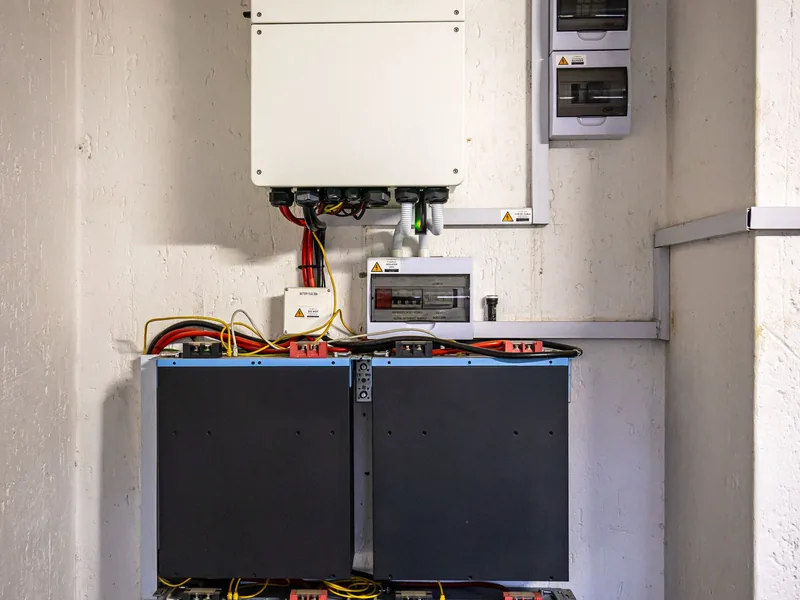
Farm battery storageTAMS 3 50%-of-kWp battery limits and milking peak shaving.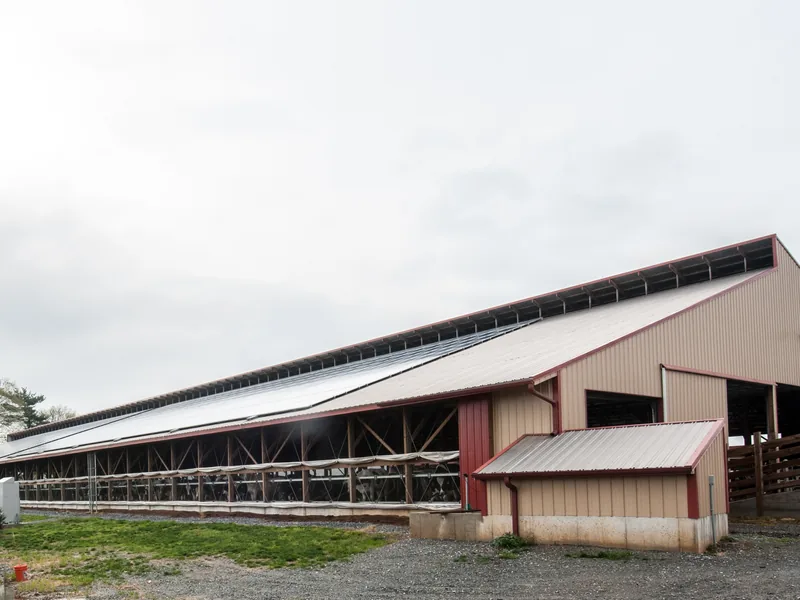 TAMS 3 60% solar grant€90,000 ring-fenced ceiling, DAFM reference costs and 62 kWp cap.
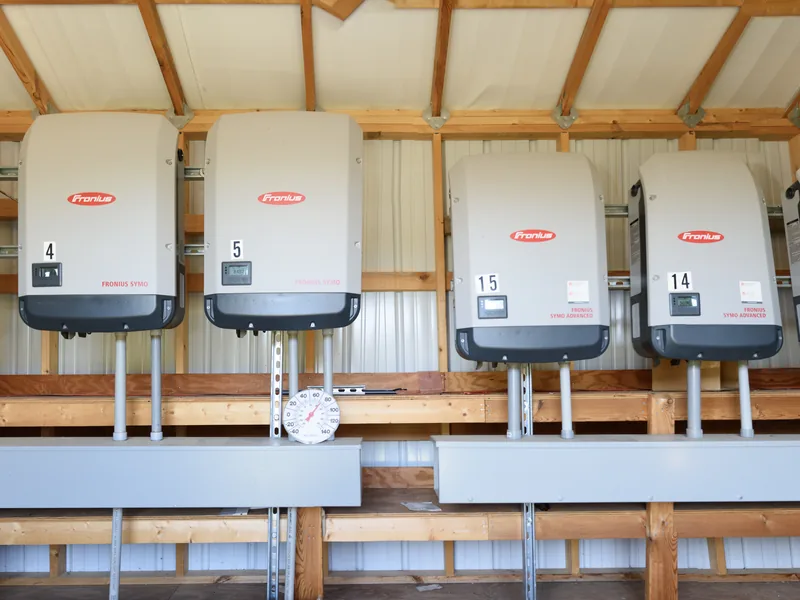 Three-phase shed systems11 kVA NC6 vs 50 kVA NC7 inverters and balanced parlour loads.
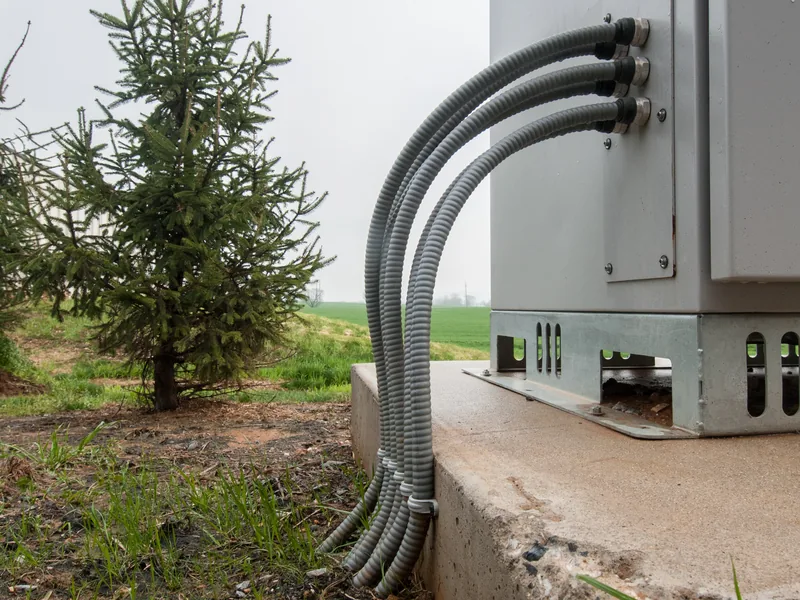 ESB NC6 vs NC7 grid rules6/11 kVA inform-and-fit vs 50 kVA Connection Offers and €1,041.81 fee.
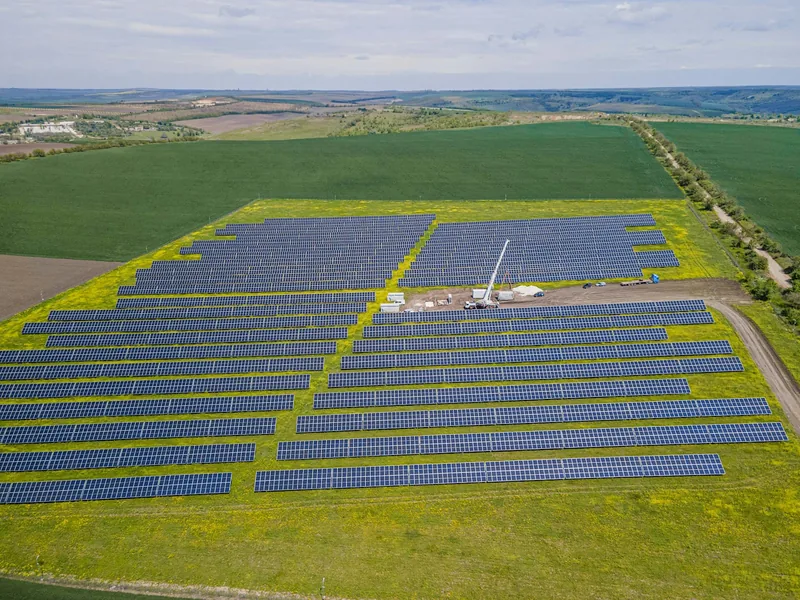 Payback & CEG exportSelf-consumption, 14c–19.5c CEG export rates and 3–4 year ROI.
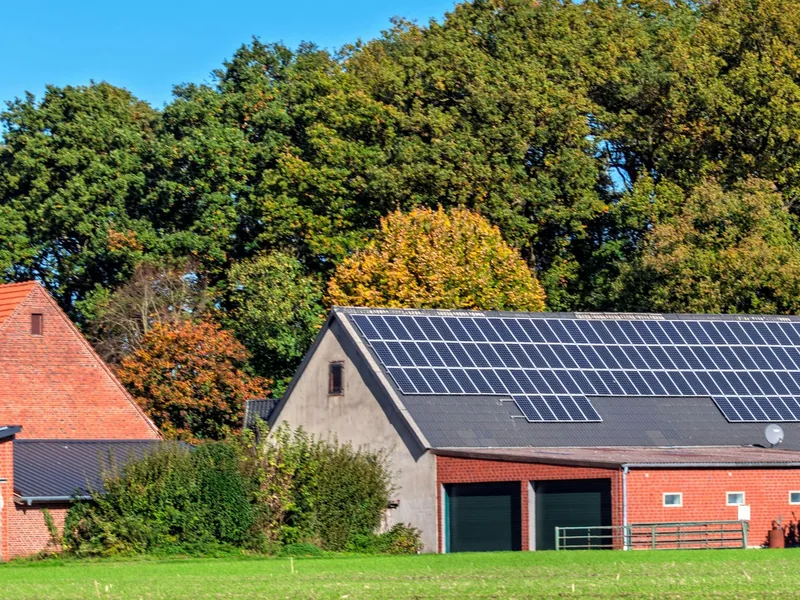 Farm solar cost by kWpFull 10–50 kWp ex-VAT prices before and after the 60% TAMS 3 grant.
Solar diverter and load shifting questions
How much does a solar hot water diverter cost on an Irish farm?
A commercial solar hot water diverter typically adds €550 to €950 ex-VAT fitted alongside the inverter, feeding surplus daytime kW directly into insulated parlour water cylinders.
Should a dairy farm buy a hot water diverter instead of a battery?
Fit the diverter first. It is a fraction of battery cost and handles up to a quarter of dairy electricity use. Add a TAMS-aided battery as well if dawn and dusk vacuum and cooling loads still draw heavily from the grid.
Does a solar diverter work on a three-phase farm supply?
Yes, provided a three-phase compatible diverter or CT-monitored controller is specified to read net export across all three phases accurately.
Do I still earn Clean Export Guarantee payments if I fit a diverter and battery?
Yes. Once the water cylinder reaches temperature and the battery is full, remaining midday surplus exports automatically through your smart meter at 14c to 19.5c/kWh once NC6 or NC7 and MEC are registered.
All farm solar pages and guides
Farm PV systems
Grants, grid & tax
Price solar PV for your milking parlour
Select your kWp band and county to see net TAMS costs, then a single farm solar installer in your county reviews your parlour MPRN bills.